A trip to Yellowstone offers far more than famous geysers and dramatic landscapes. The park is home to an incredible variety of animals, from massive bison to elusive wolves and grizzly bears. Timing plays a huge role in what you may encounter during your visit. If wildlife viewing sits high on your vacation wish list, a guided safari can help you get the most from your time in the park. Travelers who want expert insight and memorable wildlife encounters can use this guide to explore the best times to see wildlife in Yellowstone Park.
Wildlife Activity Follows Nature’s Schedule
Animals in Yellowstone don’t follow a calendar, but they do follow seasonal patterns. Food sources, weather conditions, migration habits, and breeding seasons all influence where wildlife spends its time throughout the year.
Many visitors arrive during the summer months because roads and attractions remain fully accessible. Wildlife can still be found during this season, but animals tend to spread across larger areas as food becomes plentiful. During other times of the year, wildlife may gather in more concentrated locations, creating excellent viewing opportunities.
Time of day also matters. Early morning and late evening usually bring greater animal activity. Cooler temperatures encourage movement, and fewer crowds create a quieter environment.
Spring Brings New Life Across Yellowstone
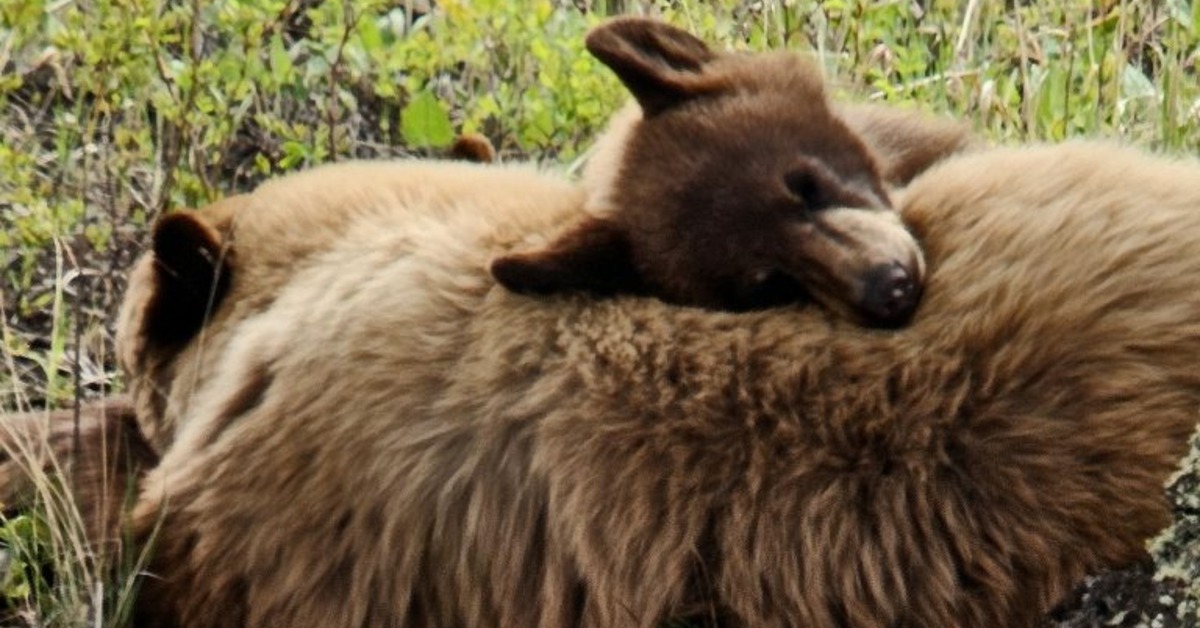
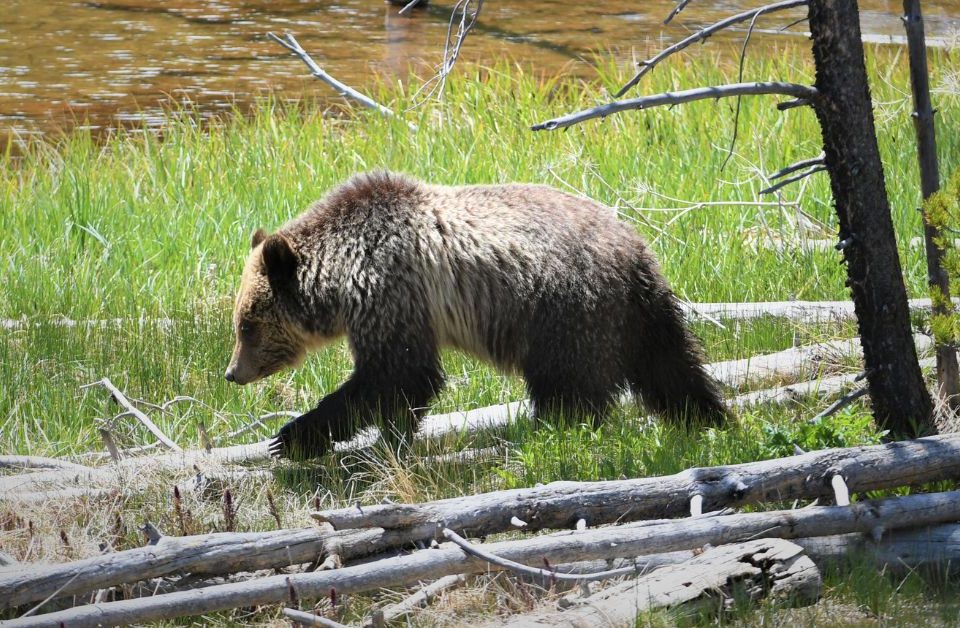
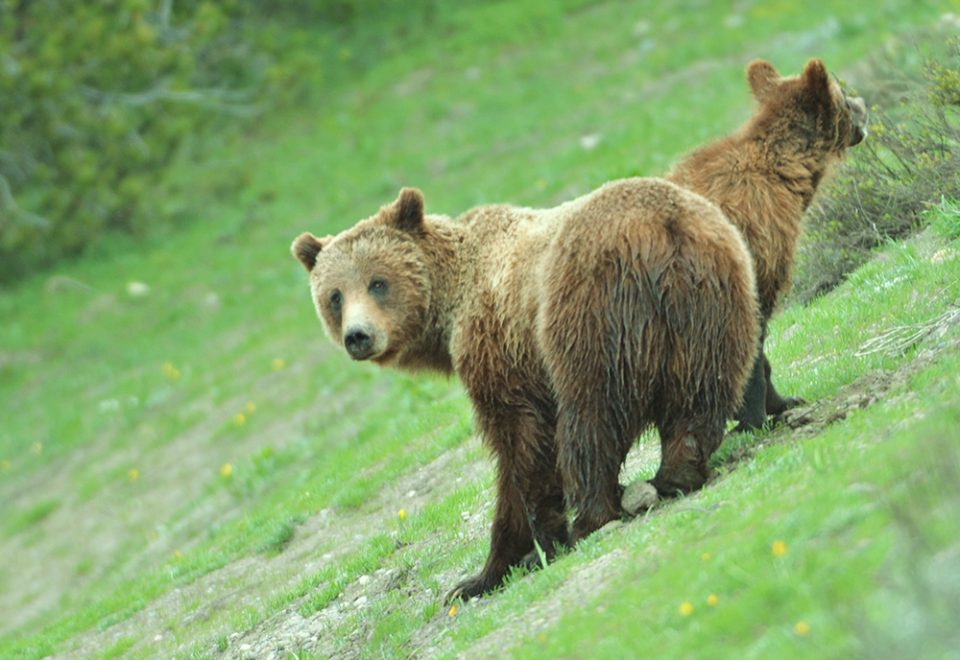
Spring ranks among the most rewarding seasons for wildlife enthusiasts. As snow begins to retreat, animals emerge from a long winter and become much more visible. Bison calves appear throughout the park during April and May. Visitors frequently spot large herds grazing in open valleys, creating excellent photo opportunities. Bear activity increases as grizzlies and black bears leave their dens in search of food.
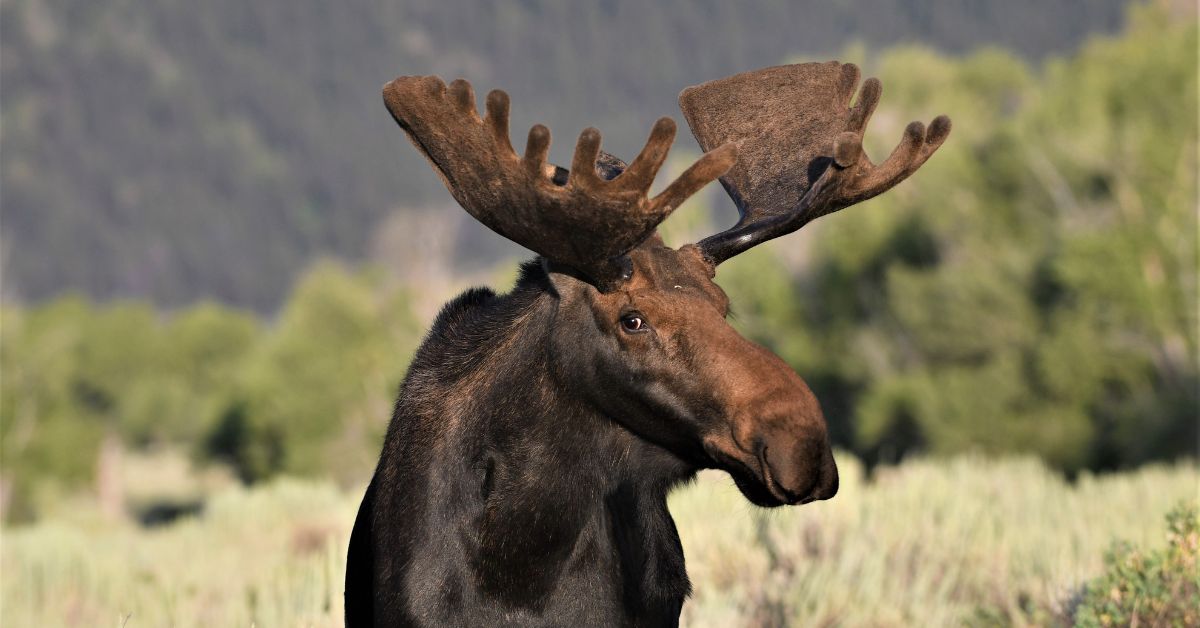
Rangers and guides regularly monitor bear sightings, allowing visitors a better chance to observe these impressive animals from a safe distance. Elk calves, moose, and numerous bird species also become more active during spring. Rivers and wetlands attract waterfowl, adding even more diversity to the viewing experience.
Summer Offers Variety and Accessibility
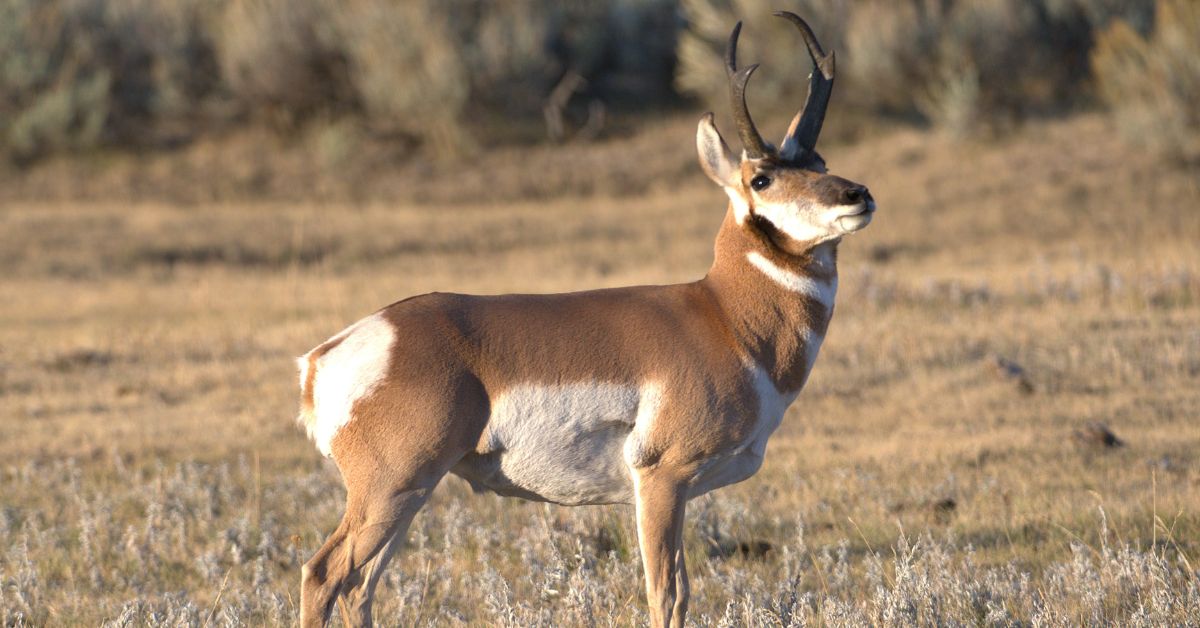
Summer attracts the largest number of visitors to Yellowstone. Warm weather, open roads, and longer daylight hours make exploration easy and enjoyable. Wildlife remains abundant throughout the park. Bison, elk, pronghorn, and various bird species can be found in many locations. Families traveling with children will appreciate the comfortable conditions and predictable access to major attractions.
Animals tend to move toward higher elevations as temperatures rise. This can require a bit more patience compared to spring. Experienced guides know where animals frequently spend time during the warmer months and can help visitors locate them more efficiently. Summer also provides excellent opportunities to combine wildlife viewing with scenic sightseeing. Guests can enjoy famous landmarks alongside memorable animal encounters throughout the day.
Fall Creates Outstanding Wildlife Viewing
Fall is undoubtedly one of the best times to see wildlife in Yellowstone Park. Cooler temperatures encourage greater animal activity, and visitor numbers begin to decline after summer. September and October bring the elk rut, one of the park’s most fascinating natural events.
Bull elk gather harems and compete for mates through dramatic displays and powerful bugling calls that echo across the valleys. Bison become increasingly active as their breeding season continues into early fall. Large bulls frequently interact with herds, creating exciting viewing opportunities from designated safe distances.
Bears spend much of the season searching for food before winter arrives. This increased activity can lead to more sightings in areas where natural food sources remain abundant. The combination of colorful autumn landscapes and active wildlife creates a particularly memorable Yellowstone experience.
Winter Reveals a Unique Look at Yellowstone
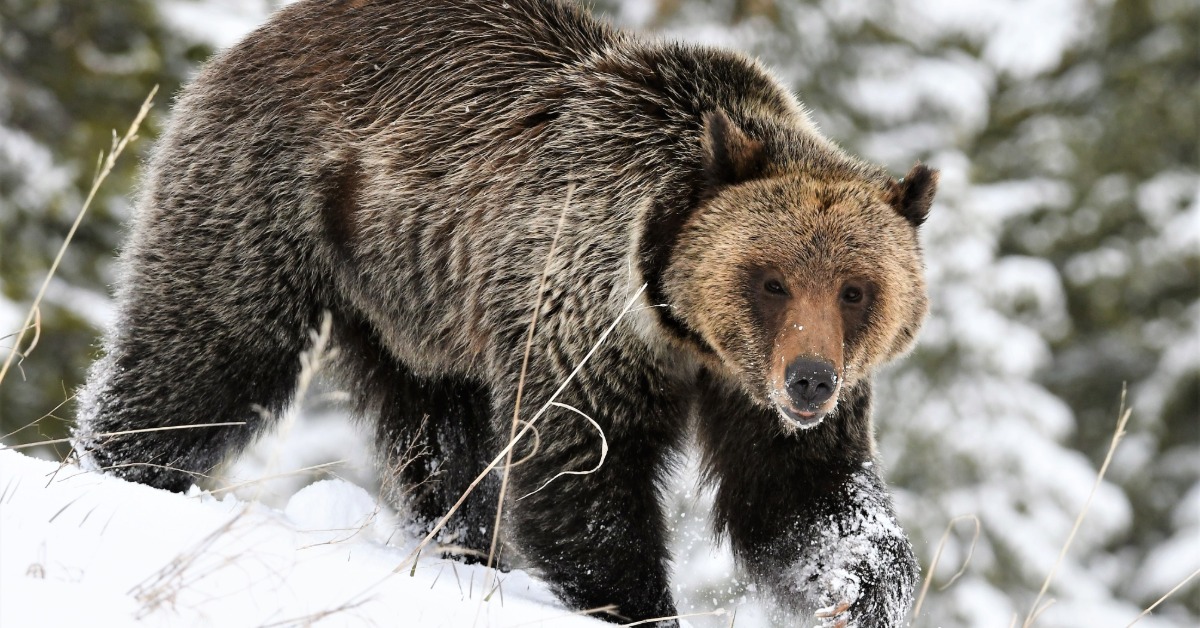
Winter transforms Yellowstone into a peaceful and dramatic wilderness. Snow blankets the landscape, and visitor numbers drop dramatically. Wildlife becomes easier to spot in some areas due to the stark contrast between animals and snowy terrain. Bison frequently travel through snow-covered valleys, creating iconic Yellowstone scenes.
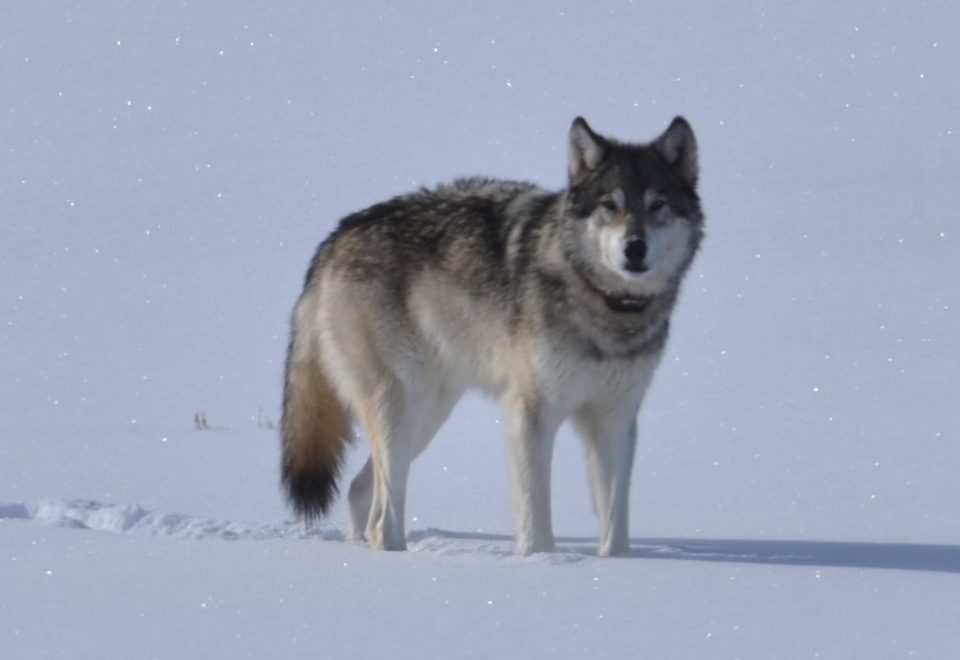
Wolves gain considerable attention during winter. Packs may be visible from greater distances as they move across open terrain in search of prey. Lamar Valley becomes a popular destination for wildlife observers during this season.
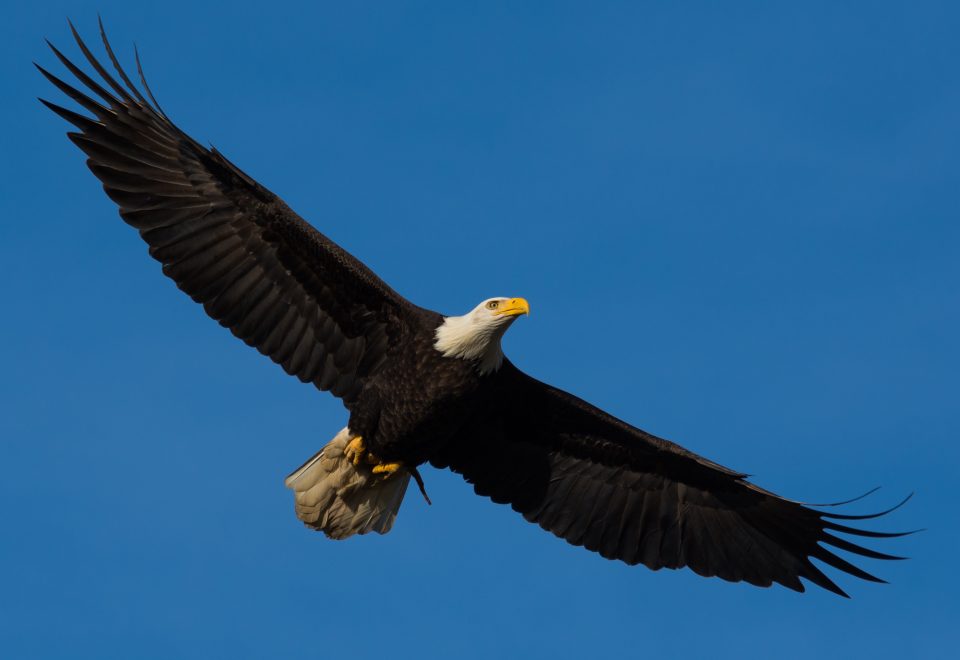
Coyotes, foxes, elk, and bald eagles also remain active throughout the colder months. The quieter environment allows visitors to appreciate Yellowstone’s wild character in a unique way. Winter conditions require additional planning, but the rewards can be extraordinary for those willing to embrace the season.
The Best Time of Day for Wildlife Encounters
No matter the season, early morning tends to produce excellent wildlife sightings. Many animals become active shortly after sunrise as temperatures remain cool and crowds stay light. Late afternoon and early evening also provide productive viewing opportunities. Wildlife frequently emerges into open areas before nightfall.
Midday can still produce sightings, especially near rivers, meadows, and known wildlife corridors. Even so, many seasoned guides focus their efforts during the first and last hours of daylight. A sunrise safari offers visitors a chance to witness Yellowstone as the park awakens. The soft morning light also creates beautiful conditions for photography.
Popular Wildlife Viewing Areas
Certain locations consistently attract wildlife throughout the year. Lamar Valley stands among the most famous wildlife destinations in Yellowstone. Visitors regularly encounter bison, wolves, pronghorn, and bears throughout this region.
Hayden Valley offers another excellent option. Large herds of bison, elk, and numerous bird species frequent the area. Open landscapes provide broad visibility for wildlife observation.
The Northern Range supports year-round wildlife activity for guests to observe. Many guided tours include stops in this region because of its strong wildlife potential. Each area offers unique opportunities depending on the season and current animal movements.
Why a Guided Safari Improves Wildlife Viewing
Wildlife can be unpredictable, even in a park as rich as Yellowstone. Professional guides spend countless hours tracking seasonal movements and understanding animal behavior. A knowledgeable guide can identify distant animals, explain behaviors, and position guests for optimal viewing opportunities. This expertise adds depth to every sighting.
Bear Witness Safari Company brings decades of experience to Yellowstone and Grand Teton adventures. Guests enjoy expert guidance and catered meals that elevate the overall experience. That combination creates a relaxed and enjoyable day in the field. Schedule a Grand Teton half-day tour today to see the stunning wildlife and landscapes up-close.
Every season offers something unique in Yellowstone. The best choice depends on the type of encounter you hope to enjoy. No matter when you visit, early mornings and experienced guides can dramatically improve your chances of memorable sightings.
307-699-8507