Nothing compares to the thrill of spotting a bull moose beside a quiet river or a bald eagle perched high above you. Grand Teton National Park gives photographers endless opportunities to come home with memorable wildlife images, no matter their experience level. Use our list of tips for photographing wildlife in Grand Teton to turn a good vacation into an unforgettable outdoor adventure.
#1 Start Your Day Before Sunrise
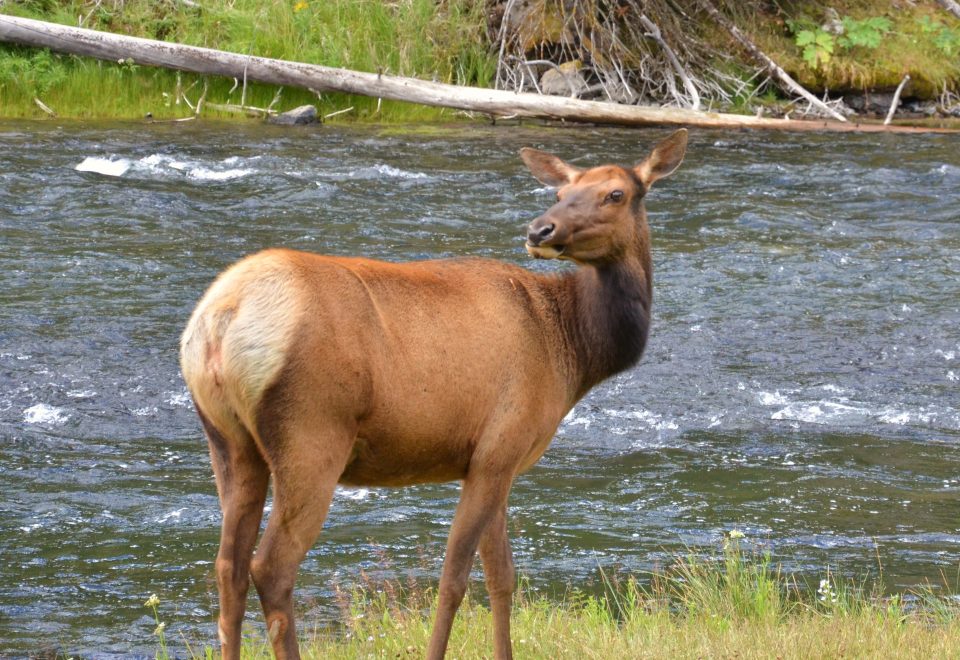
Wildlife follows its own schedule, and dawn brings plenty of activity across Grand Teton. Elk leave open meadows, moose browse near ponds, and foxes travel through quiet valleys before visitor traffic picks up. Soft morning light also adds warm color without harsh shadows across an animal’s face or coat. A calm start to the day gives every photograph a richer, more polished look.
Early departures bring another reward beyond better light. Roads stay quieter, parking areas remain less crowded, and wildlife tends to stay relaxed. That peaceful atmosphere creates a far better experience for both photographers and the animals that call the park home.
#2 Learn Animal Habits Before Your Trip
Great wildlife images rarely depend on luck alone. A little preparation gives every photographer a stronger chance at success. Moose spend time near ponds and willow flats, bison gather across broad grasslands, and pronghorn favor open country with wide views. Bald eagles and ospreys stay close to rivers and lakes where fish provide easy meals.
Local guides spend years learning these patterns through every season. That experience helps visitors reach productive locations instead of relying on random stops along busy roads. Time behind the camera becomes far more rewarding with local insight.
#3 Bring the Right Lens
Wild animals deserve plenty of space. A telephoto lens lets photographers fill the frame without stepping too close. Lenses within the 300mm to 600mm range work very well for large mammals and birds across Grand Teton.
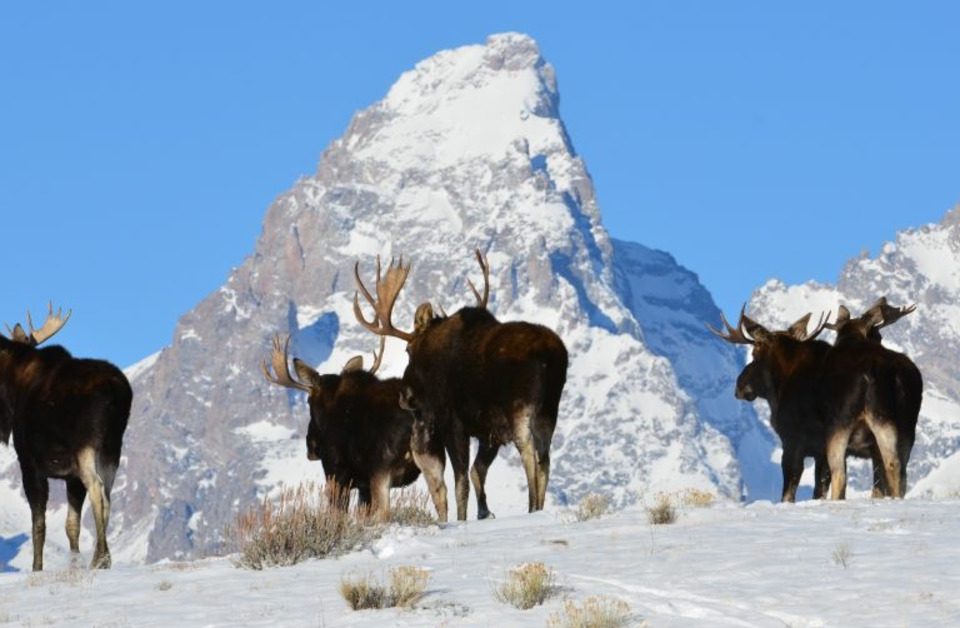
A second lens also earns a place in the camera bag. Wide-angle glass captures dramatic landscapes that place wildlife within the park’s famous scenery. A bison beneath the Teton Range tells a richer story than a tight portrait alone.
#4 Stay Patient
Wildlife photography rewards calm observation. Animals move at their own pace, and memorable moments arrive without warning. A grazing moose may lift its head toward the mountains, or a fox may pause for only a few seconds before disappearing into tall grass.
Patience also leads to more natural behavior. Quiet observation allows animals to settle into their surroundings instead of reacting to human activity. Those relaxed moments create photographs full of character and authenticity.
#5 Respect Every Animal’s Space
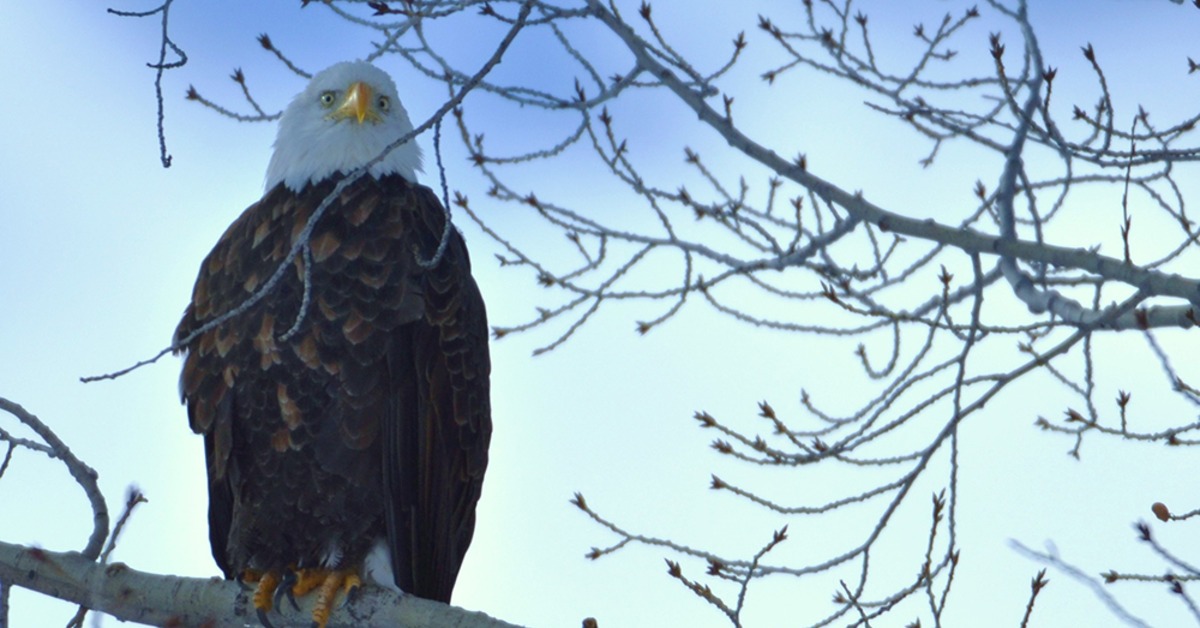
One of the most important tips for photographing wildlife in Grand Teton is to mind the animals and their space. Every visit to Grand Teton should place wildlife first. Respectful behavior protects visitors and helps animals continue their daily routines without unnecessary stress.
Long lenses remove any need to approach wildlife. If an animal changes direction, watches people closely, or shows signs of agitation, it has already noticed nearby activity. A few extra steps backward create a better outcome for everyone involved.
#6 Use Natural Light Whenever Possible
Grand Teton delivers beautiful light throughout much of the day, especially near sunrise and late afternoon. Soft light brings out rich detail in fur, feathers, and antlers without harsh contrast. Bright midday sun can create blown highlights along light-colored coats and deep shadows around eyes.
Cloud cover also works in a photographer’s favor. Thin clouds spread light evenly across the landscape and produce balanced exposure. Many outstanding wildlife photographs come from quiet, overcast mornings rather than brilliant blue skies.
#7 Watch the Background
A beautiful subject deserves an equally attractive backdrop. Grand Teton gives photographers dramatic mountain peaks, winding rivers, colorful wildflowers, and golden sagebrush. A small step to one side can remove distracting branches, vehicles, or crowds from the frame. Clean backgrounds allow the animal to stand out without visual clutter.
Pay attention to the direction of the light as well. Warm sunlight across the Tetons creates depth and texture that add another layer of interest. Every photograph feels more complete when the landscape plays a supporting role instead of competing for attention.
#8 Adjust Camera Settings Before the Action Starts
Wildlife rarely waits for camera adjustments. A camera set in advance gives photographers a better chance to catch a bald eagle in flight or a coyote that appears for only a few moments. Continuous autofocus helps track movement, and burst mode records several frames in rapid succession.
A fast shutter speed also helps freeze motion. That approach works well for animals that travel across open fields or birds that launch into the air without warning. A quick glance at camera settings before each stop can save a missed opportunity.
#9 Prepare for Changing Mountain Weather
Grand Teton weather has a habit of changing without much notice. Bright sunshine can give way to clouds, light rain, or even snow during cooler months. A light jacket, waterproof bag, and lens cloth belong in every photographer’s pack.
Those changing conditions also create dramatic images. Fresh snow on the peaks, low clouds above the valleys, or light rain across a meadow can produce photographs with a unique atmosphere. Flexibility pays off, and every shift in the weather opens fresh creative possibilities.
#10 Join a Guided Wildlife Safari
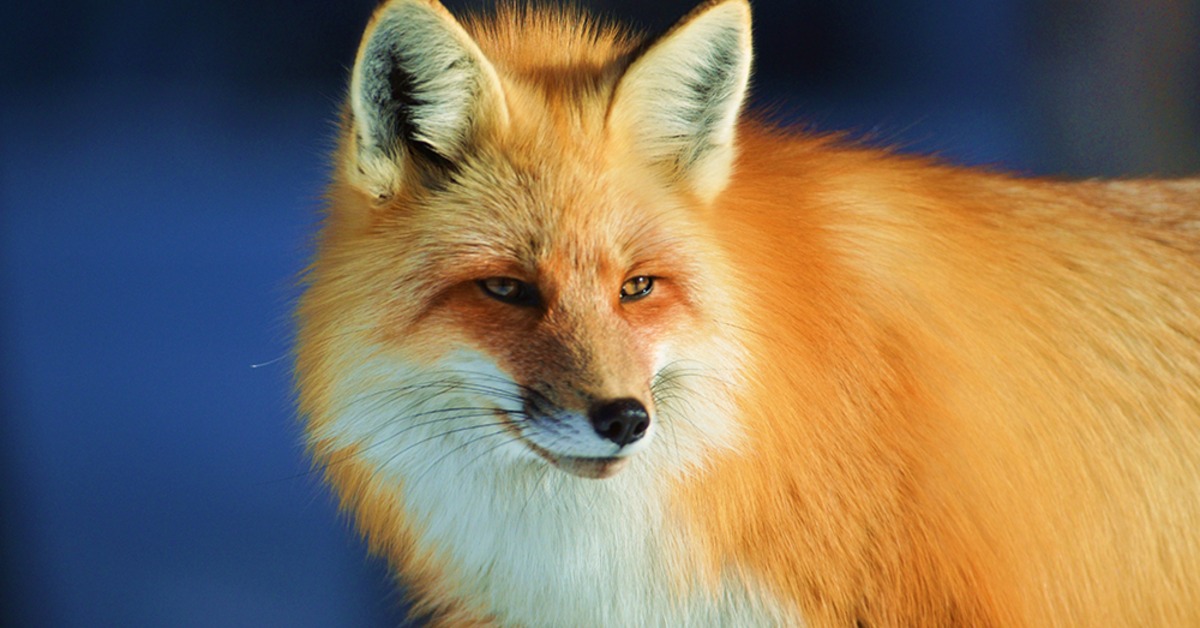
Local knowledge adds tremendous value to any photography trip. Experienced guides know animal habits, seasonal patterns, and productive locations across Grand Teton. Instead of spending valuable vacation time searching on your own, you can focus on your camera and enjoy every wildlife encounter.
Bear Witness Safari Company combines decades of local experience with comfortable transportation and catered meals, creating relaxed Grand Teton wildlife tours from start to finish. Guests gain more than transportation through the park—they receive insight into animal behavior, local history, and the landscapes that define this remarkable destination.
A successful wildlife photograph comes from patience, preparation, and respect for the animals that live in Grand Teton National Park. Every outing offers fresh opportunities, from a quiet moose beside a beaver pond to a herd of bison beneath snow-capped peaks. Thoughtful planning allows every stop to become part of a memorable outdoor experience.
If Grand Teton sits on your travel list, let Bear Witness Safari Company help you enjoy the park through the eyes of a local expert. A guided safari gives you more opportunities to find remarkable wildlife, enjoy outstanding scenery, and return home with photographs that tell the story of an unforgettable adventure.
307-699-8507