A Jackson Hole wildlife safari brings raw beauty and close views of famous western animals into one unforgettable day. Snow rests on the Tetons through much of the year, and broad sage flats stretch far past the road. Each turn can reveal a herd of elk, a lone moose near a creek, or a bald eagle above the Snake River. That sense of surprise gives every trip a fresh feel, even for guests who visit Wyoming more than once. Jump into our guide below to learn what to expect on a Jackson Hole wildlife safari.
A Calm Start With Wide Open Views
Most wildlife safaris begin near sunrise, since animals move through the valley at that hour. Your guide usually arrives with a comfortable vehicle built for rough roads and cold air. Warm drinks, snacks, and extra binoculars tend to ride along as well.
Early light across Grand Teton National Park creates a scene straight from a postcard, with pink skies above sharp mountain peaks. Even the drive out of town feels cinematic.
Guides know the valley well, and that local knowledge shapes the entire trip. They track animal patterns, weather shifts, and recent sightings across the region. One guide may head toward Antelope Flats for moose activity, while another may favor the Gros Ventre area for wolves or foxes. That local insight gives guests far better odds for close animal views than a solo drive through the park. Every route carries a bit of suspense.
Wildlife Encounters Feel Wild and Real
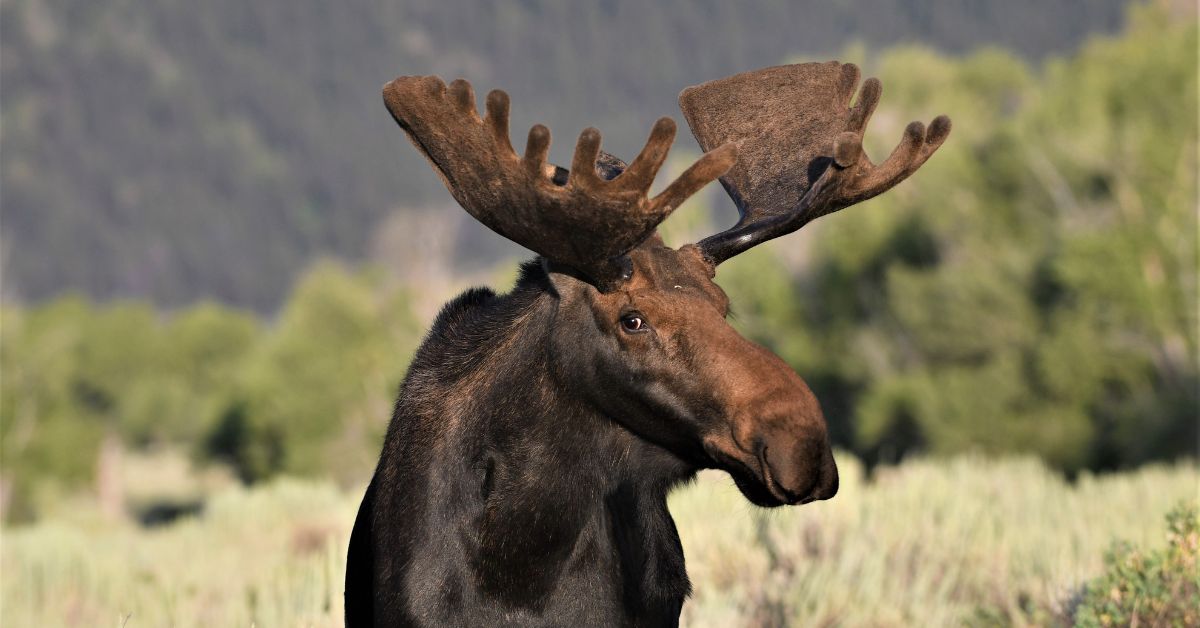
Jackson Hole holds one of the richest wildlife populations in the lower forty-eight states. Bison roam open meadows in large groups, and elk gather near tree lines or riverbanks. Moose stand near willow patches and move at a slow pace through marshy terrain.
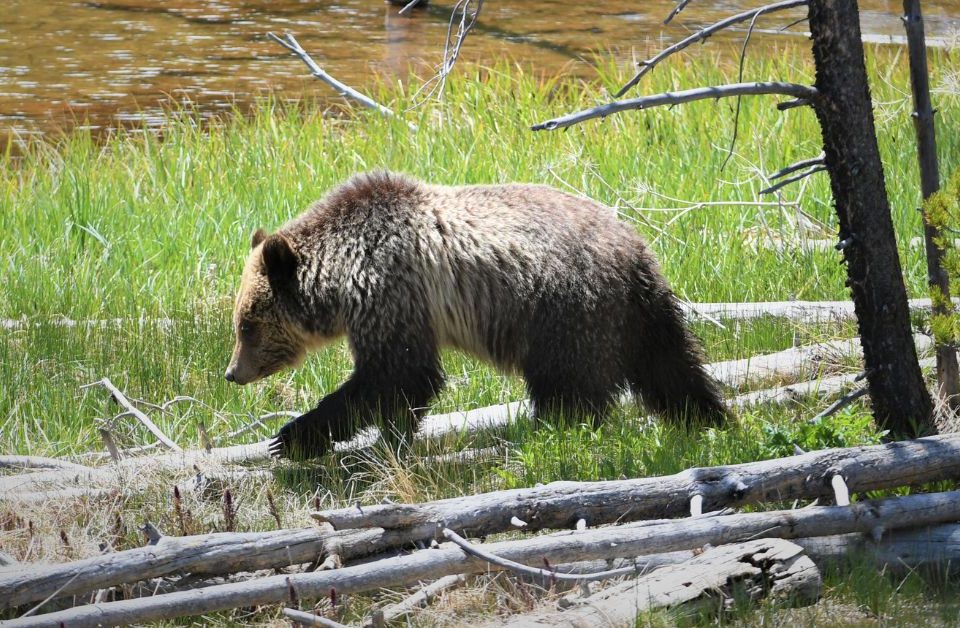
Bear sightings create huge excitement for many visitors. Black bears and grizzlies both live in the region, though sightings depend on the season and recent animal activity. Guides keep a safe distance and follow park rules at all times.
Guests still enjoy incredible views through spotting scopes with strong magnification. A grizzly near a hillside can feel far closer than expected through quality optics.
Wolves live in the Greater Yellowstone ecosystem as well, though luck plays a large role in those encounters. Some guests catch a glimpse near the northern range after several quiet hours on the road. Others spot a pack within the first part of the trip. That unpredictability adds charm to the full safari experience.
Each Season Brings a New Feel
No two seasons look alike in Jackson Hole. Winter covers the valley in deep snow and draws elk into lower terrain. Steam rises from the river at dawn, and animal tracks cut across fresh powder. Wolves and coyotes stand out against the white landscape, so guides can spot them from long distances. Guests who love quiet scenery and dramatic light tend to favor this season.
Spring brings baby animals and greener valleys. Moose calves stay close to their mothers, and bears emerge from dens with cubs nearby. Rivers swell from snowmelt, and migratory birds return to the region. The Tetons still hold snow across higher slopes, so the contrast between green grass and white peaks looks spectacular.
Summer offers long daylight hours and mild weather. Bison spread across broad meadows, and wildflowers cover parts of the valley floor. Roads stay clear, so guides can reach a wider range of habitat zones. Families with young children may prefer this part of the year due to easier travel conditions.
Fall brings crisp air and golden aspen leaves. Elk bugles echo through the valley during the rut, and that sound alone leaves a strong impression. Bull moose become more active as well. Photographers love autumn in Jackson Hole due to rich color across the landscape.
What a Full Safari Day Looks Like
Knowing what to expect on a Jackson Hole wildlife safari is important before settling on your preferred trip option. A half-day safari lasts around four to five hours, though many guests choose a full-day trip for deeper access to the region. Guides stop at scenic wildlife areas and quiet river corridors far from busy tourist traffic.
Guests can step out for photos, stretch their legs, and take in the silence of the valley. Some tours include a lunch near the park or beside the river. The pace stays relaxed throughout the day. If a guide spots a fox near a meadow or a moose near thick brush, the group may stay there for a good stretch of time. That slower pace creates space for real appreciation of the landscape.
What to Bring for Comfort and Ease
Layered clothing works best in Jackson Hole due to fast weather shifts. Dawn can feel cold even during July, and mountain winds add a sharp chill at higher elevations. Neutral colors blend better into the landscape and help avoid animal disturbance. Sturdy shoes also help during short walks near pullouts or riverbanks.
A camera with zoom capability adds value to the trip, though many guests rely on smartphones and guide scopes for photos. Sunscreen and sunglasses also deserve a spot in your day bag due to the strong mountain sun. Some tour companies provide binoculars, snacks, and drinks, so guests rarely need much extra gear.
Patience helps more than any item in a backpack. Wildlife follows no script, and part of the thrill comes from that reality. Quiet observation can lead to unforgettable moments, such as a bald eagle dive near the river or a bull elk near the roadside at dusk.
A Safari Creates Lasting Memories
A wildlife safari in Jackson Hole gives travelers far more than a few animal sightings. The trip creates a strong bond with the landscape and the wildlife. Snow-covered peaks, silent forests, and wide valleys stay with visitors long after the trip ends. Even a brief encounter with a moose or grizzly can become the story people share for years.
Jackson Hole carries a rare mix of beauty and untamed wildlife. A guided safari offers safe access to that world through expert insight and thoughtful planning. Guests leave with photos, memories, and a deeper respect for the land itself. Schedule Yellowstone day tours from Jackson Hole today.
307-699-8507