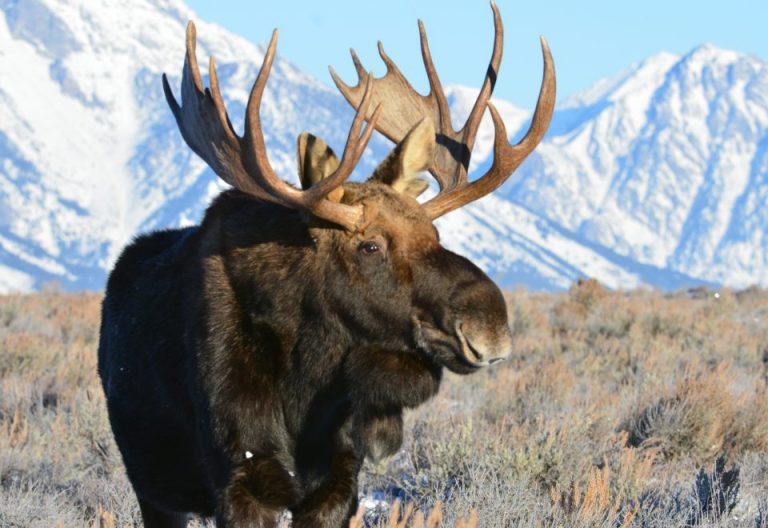
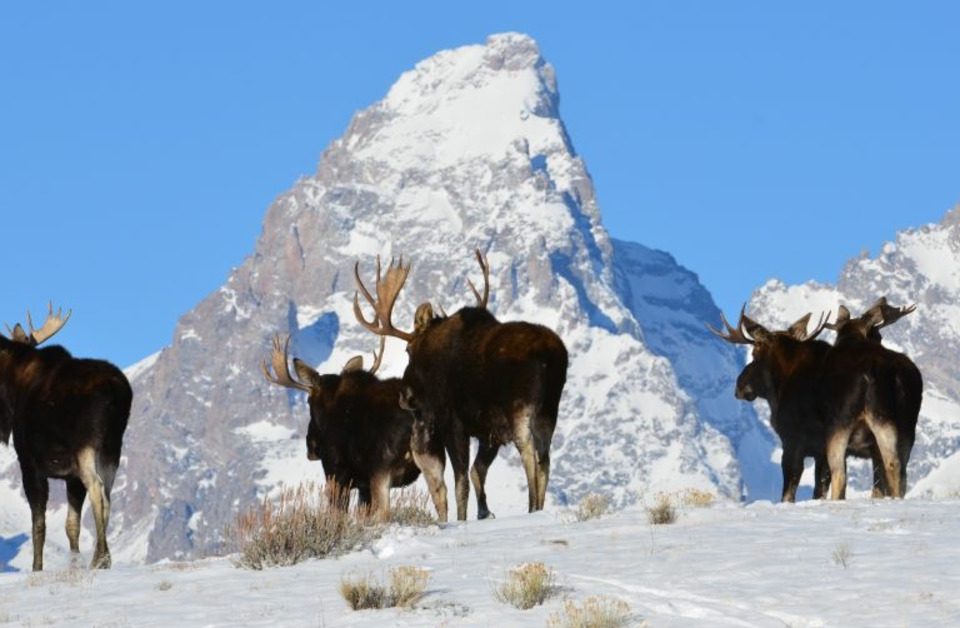
Five moose standing outside in the snow during the daytime. A mountaintop is visible in the distance.

10 Tips for Photographing Wildlife in Grand Teton

Nothing compares to the thrill of spotting a bull moose beside a quiet river or a bald eagle perched high above you. Grand Teton National Park gives photographers endless opportunities to come home with memorable wildlife images, no matter their experience level. Use our list of tips for photographing wildlife in Grand Teton to turn a good vacation into an unforgettable outdoor adventure.

#1 Start Your Day Before Sunrise

Wildlife follows its own schedule, and dawn brings plenty of activity across Grand Teton. Elk leave open meadows, moose browse near ponds, and foxes travel through quiet valleys before visitor traffic picks up. Soft morning light also adds warm color without harsh shadows across an animal’s face or coat. A calm start to the day gives every photograph a richer, more polished look.

Early departures bring another reward beyond better light. Roads stay quieter, parking areas remain less crowded, and wildlife tends to stay relaxed. That peaceful atmosphere creates a far better experience for both photographers and the animals that call the park home.

#2 Learn Animal Habits Before Your Trip

Great wildlife images rarely depend on luck alone. A little preparation gives every photographer a stronger chance at success. Moose spend time near ponds and willow flats, bison gather across broad grasslands, and pronghorn favor open country with wide views. Bald eagles and ospreys stay close to rivers and lakes where fish provide easy meals.

Local guides spend years learning these patterns through every season. That experience helps visitors reach productive locations instead of relying on random stops along busy roads. Time behind the camera becomes far more rewarding with local insight.

#3 Bring the Right Lens

Wild animals deserve plenty of space. A telephoto lens lets photographers fill the frame without stepping too close. Lenses within the 300mm to 600mm range work very well for large mammals and birds across Grand Teton.

A second lens also earns a place in the camera bag. Wide-angle glass captures dramatic landscapes that place wildlife within the park’s famous scenery. A bison beneath the Teton Range tells a richer story than a tight portrait alone.

#4 Stay Patient

Wildlife photography rewards calm observation. Animals move at their own pace, and memorable moments arrive without warning. A grazing moose may lift its head toward the mountains, or a fox may pause for only a few seconds before disappearing into tall grass.

Patience also leads to more natural behavior. Quiet observation allows animals to settle into their surroundings instead of reacting to human activity. Those relaxed moments create photographs full of character and authenticity.
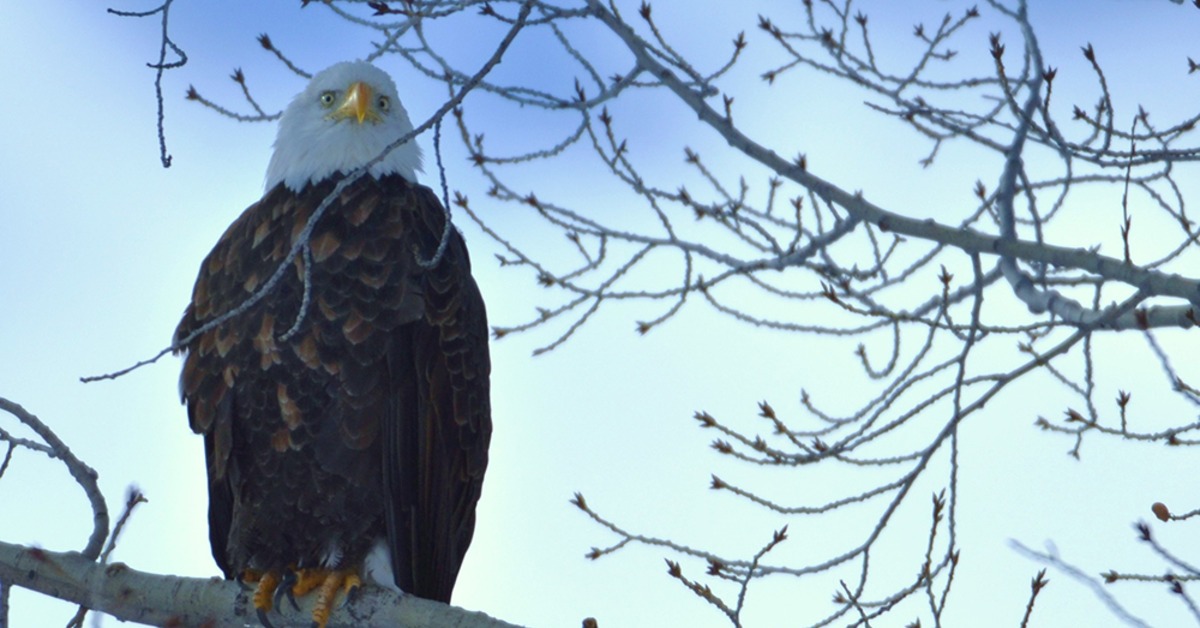
A bald eagle perched on a thin tree branch outside during the daytime. Dark clouds swirl in the skies above.

#5 Respect Every Animal’s Space

One of the most important tips for photographing wildlife in Grand Teton is to mind the animals and their space. Every visit to Grand Teton should place wildlife first. Respectful behavior protects visitors and helps animals continue their daily routines without unnecessary stress.

Long lenses remove any need to approach wildlife. If an animal changes direction, watches people closely, or shows signs of agitation, it has already noticed nearby activity. A few extra steps backward create a better outcome for everyone involved.

#6 Use Natural Light Whenever Possible

Grand Teton delivers beautiful light throughout much of the day, especially near sunrise and late afternoon. Soft light brings out rich detail in fur, feathers, and antlers without harsh contrast. Bright midday sun can create blown highlights along light-colored coats and deep shadows around eyes.

Cloud cover also works in a photographer’s favor. Thin clouds spread light evenly across the landscape and produce balanced exposure. Many outstanding wildlife photographs come from quiet, overcast mornings rather than brilliant blue skies.

#7 Watch the Background

A beautiful subject deserves an equally attractive backdrop. Grand Teton gives photographers dramatic mountain peaks, winding rivers, colorful wildflowers, and golden sagebrush. A small step to one side can remove distracting branches, vehicles, or crowds from the frame. Clean backgrounds allow the animal to stand out without visual clutter.

Pay attention to the direction of the light as well. Warm sunlight across the Tetons creates depth and texture that add another layer of interest. Every photograph feels more complete when the landscape plays a supporting role instead of competing for attention.

#8 Adjust Camera Settings Before the Action Starts

Wildlife rarely waits for camera adjustments. A camera set in advance gives photographers a better chance to catch a bald eagle in flight or a coyote that appears for only a few moments. Continuous autofocus helps track movement, and burst mode records several frames in rapid succession.

A fast shutter speed also helps freeze motion. That approach works well for animals that travel across open fields or birds that launch into the air without warning. A quick glance at camera settings before each stop can save a missed opportunity.

#9 Prepare for Changing Mountain Weather

Grand Teton weather has a habit of changing without much notice. Bright sunshine can give way to clouds, light rain, or even snow during cooler months. A light jacket, waterproof bag, and lens cloth belong in every photographer’s pack.

Those changing conditions also create dramatic images. Fresh snow on the peaks, low clouds above the valleys, or light rain across a meadow can produce photographs with a unique atmosphere. Flexibility pays off, and every shift in the weather opens fresh creative possibilities.
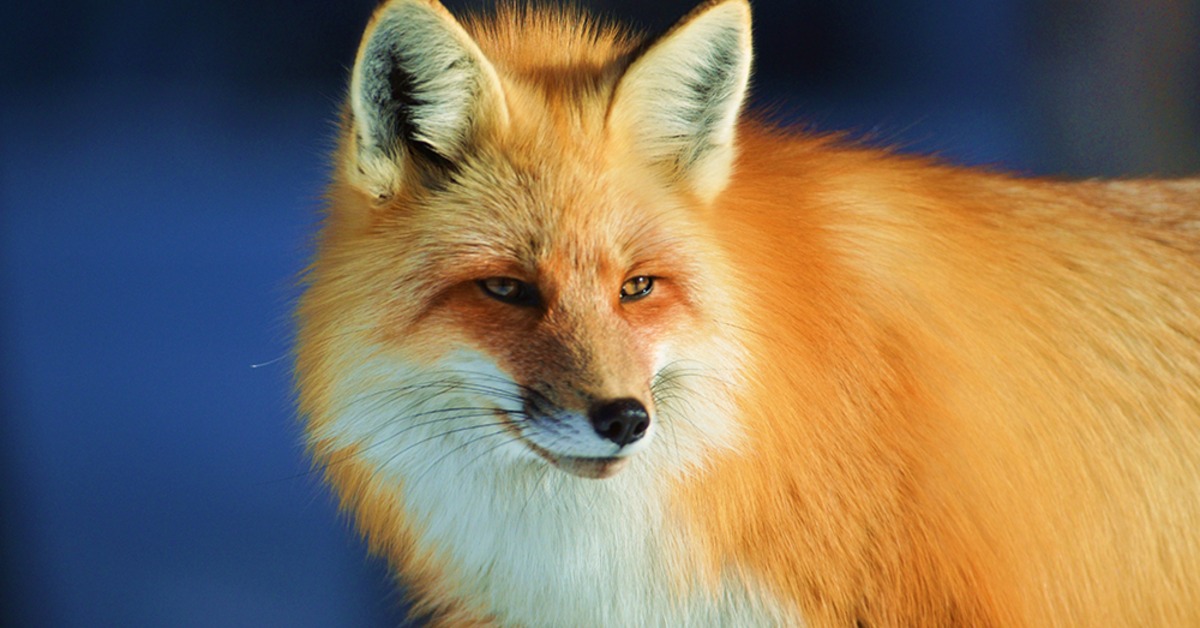
Sunlight shining on a small red fox with pristine fur as they turn to the left on a nice, sunny day.

#10 Join a Guided Wildlife Safari

Local knowledge adds tremendous value to any photography trip. Experienced guides know animal habits, seasonal patterns, and productive locations across Grand Teton. Instead of spending valuable vacation time searching on your own, you can focus on your camera and enjoy every wildlife encounter.

Bear Witness Safari Company combines decades of local experience with comfortable transportation and catered meals, creating relaxed Grand Teton wildlife tours from start to finish. Guests gain more than transportation through the park—they receive insight into animal behavior, local history, and the landscapes that define this remarkable destination.

A successful wildlife photograph comes from patience, preparation, and respect for the animals that live in Grand Teton National Park. Every outing offers fresh opportunities, from a quiet moose beside a beaver pond to a herd of bison beneath snow-capped peaks. Thoughtful planning allows every stop to become part of a memorable outdoor experience.

If Grand Teton sits on your travel list, let Bear Witness Safari Company help you enjoy the park through the eyes of a local expert. A guided safari gives you more opportunities to find remarkable wildlife, enjoy outstanding scenery, and return home with photographs that tell the story of an unforgettable adventure.
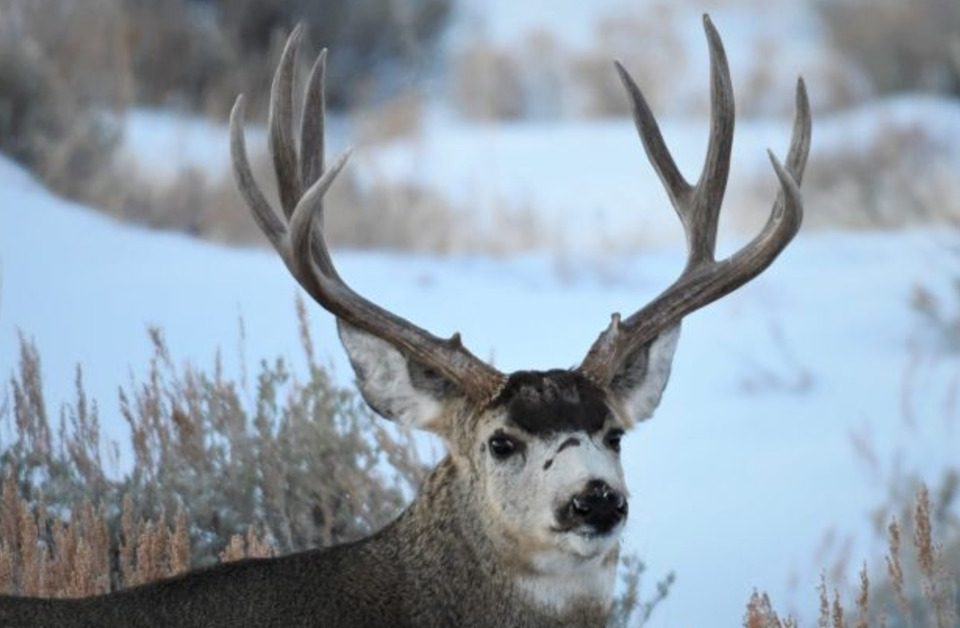
A buck with large antlers standing outside during the daytime. Snow covers the ground around the buck.

Best Times To See Wildlife in Yellowstone Park

A trip to Yellowstone offers far more than famous geysers and dramatic landscapes. The park is home to an incredible variety of animals, from massive bison to elusive wolves and grizzly bears. Timing plays a huge role in what you may encounter during your visit. If wildlife viewing sits high on your vacation wish list, a guided safari can help you get the most from your time in the park. Travelers who want expert insight and memorable wildlife encounters can use this guide to explore the best times to see wildlife in Yellowstone Park.

Wildlife Activity Follows Nature’s Schedule

Animals in Yellowstone don’t follow a calendar, but they do follow seasonal patterns. Food sources, weather conditions, migration habits, and breeding seasons all influence where wildlife spends its time throughout the year.

Many visitors arrive during the summer months because roads and attractions remain fully accessible. Wildlife can still be found during this season, but animals tend to spread across larger areas as food becomes plentiful. During other times of the year, wildlife may gather in more concentrated locations, creating excellent viewing opportunities.

Time of day also matters. Early morning and late evening usually bring greater animal activity. Cooler temperatures encourage movement, and fewer crowds create a quieter environment.

Spring Brings New Life Across Yellowstone

Spring ranks among the most rewarding seasons for wildlife enthusiasts. As snow begins to retreat, animals emerge from a long winter and become much more visible. Bison calves appear throughout the park during April and May. Visitors frequently spot large herds grazing in open valleys, creating excellent photo opportunities. Bear activity increases as grizzlies and black bears leave their dens in search of food.

Rangers and guides regularly monitor bear sightings, allowing visitors a better chance to observe these impressive animals from a safe distance. Elk calves, moose, and numerous bird species also become more active during spring. Rivers and wetlands attract waterfowl, adding even more diversity to the viewing experience.

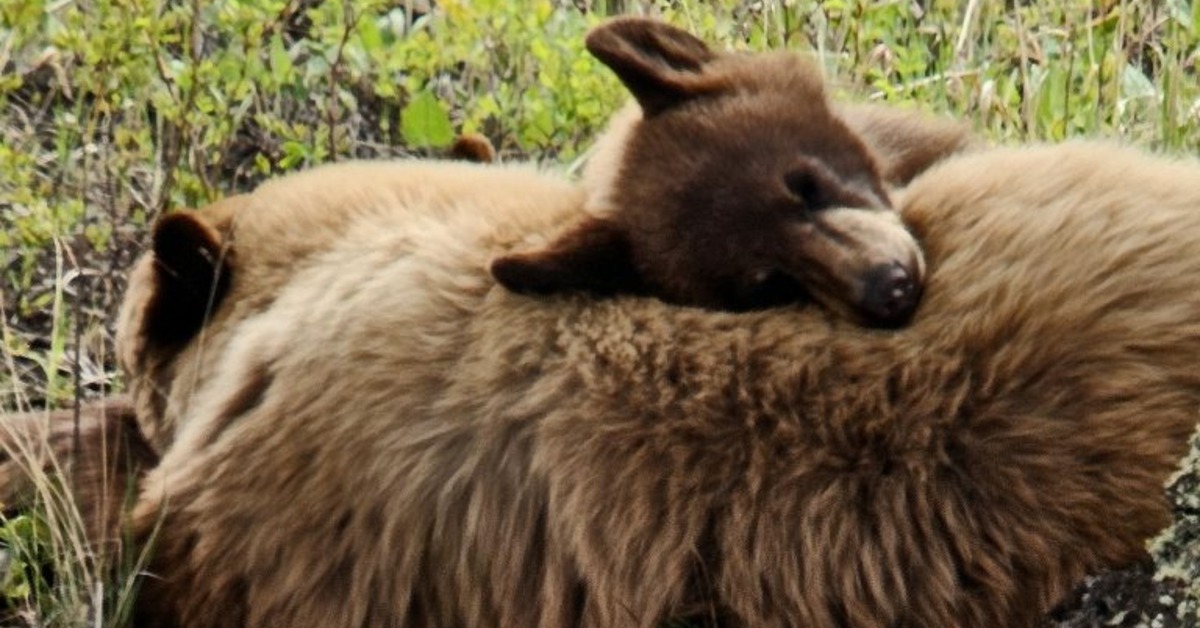
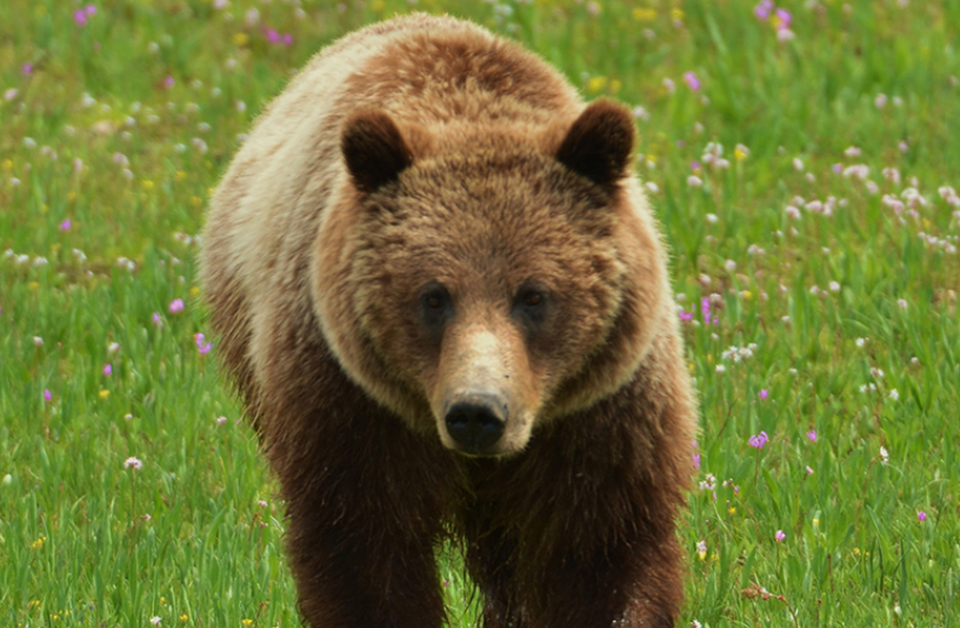
A large bear lying on the ground and surrounded by green plants. A small bear cub cuddles against their parent.

Summer Offers Variety and Accessibility

Summer attracts the largest number of visitors to Yellowstone. Warm weather, open roads, and longer daylight hours make exploration easy and enjoyable. Wildlife remains abundant throughout the park. Bison, elk, pronghorn, and various bird species can be found in many locations. Families traveling with children will appreciate the comfortable conditions and predictable access to major attractions.

Animals tend to move toward higher elevations as temperatures rise. This can require a bit more patience compared to spring. Experienced guides know where animals frequently spend time during the warmer months and can help visitors locate them more efficiently. Summer also provides excellent opportunities to combine wildlife viewing with scenic sightseeing. Guests can enjoy famous landmarks alongside memorable animal encounters throughout the day.

Fall Creates Outstanding Wildlife Viewing

Fall is undoubtedly one of the best times to see wildlife in Yellowstone Park. Cooler temperatures encourage greater animal activity, and visitor numbers begin to decline after summer. September and October bring the elk rut, one of the park’s most fascinating natural events.

Bull elk gather harems and compete for mates through dramatic displays and powerful bugling calls that echo across the valleys. Bison become increasingly active as their breeding season continues into early fall. Large bulls frequently interact with herds, creating exciting viewing opportunities from designated safe distances.

Bears spend much of the season searching for food before winter arrives. This increased activity can lead to more sightings in areas where natural food sources remain abundant. The combination of colorful autumn landscapes and active wildlife creates a particularly memorable Yellowstone experience.

Winter Reveals a Unique Look at Yellowstone

Winter transforms Yellowstone into a peaceful and dramatic wilderness. Snow blankets the landscape, and visitor numbers drop dramatically. Wildlife becomes easier to spot in some areas due to the stark contrast between animals and snowy terrain. Bison frequently travel through snow-covered valleys, creating iconic Yellowstone scenes.

Wolves gain considerable attention during winter. Packs may be visible from greater distances as they move across open terrain in search of prey. Lamar Valley becomes a popular destination for wildlife observers during this season.

Coyotes, foxes, elk, and bald eagles also remain active throughout the colder months. The quieter environment allows visitors to appreciate Yellowstone’s wild character in a unique way. Winter conditions require additional planning, but the rewards can be extraordinary for those willing to embrace the season.

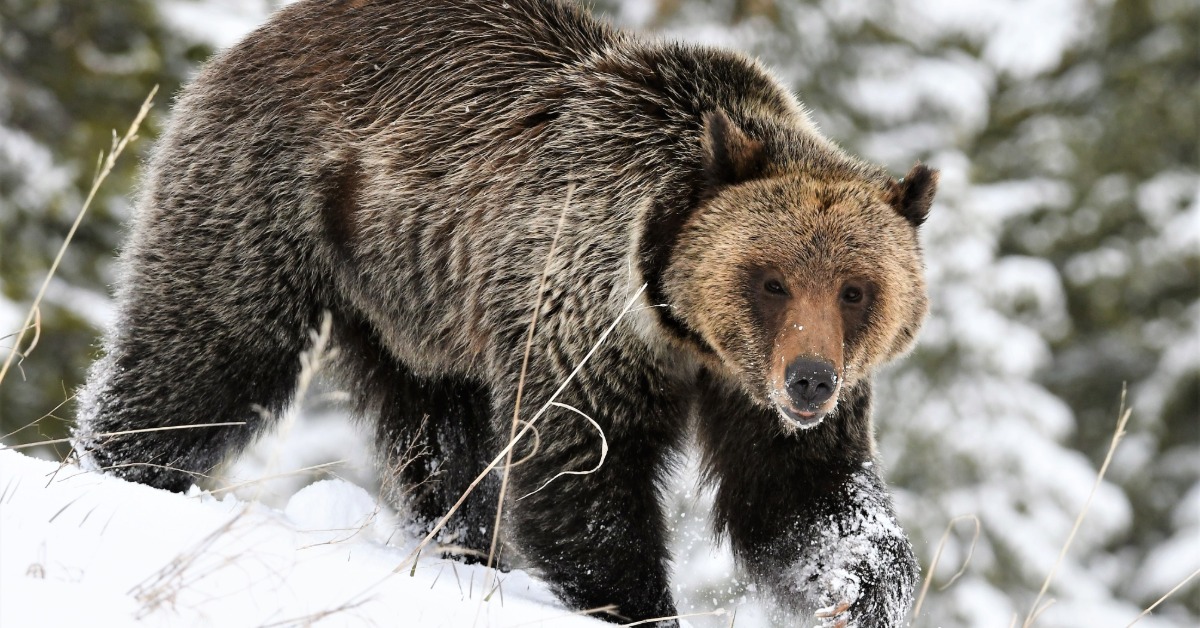
A large bear walking across the snow-covered ground outside. Large green trees grow in the snow behind the bear.

The Best Time of Day for Wildlife Encounters

No matter the season, early morning tends to produce excellent wildlife sightings. Many animals become active shortly after sunrise as temperatures remain cool and crowds stay light. Late afternoon and early evening also provide productive viewing opportunities. Wildlife frequently emerges into open areas before nightfall.

Midday can still produce sightings, especially near rivers, meadows, and known wildlife corridors. Even so, many seasoned guides focus their efforts during the first and last hours of daylight. A sunrise safari offers visitors a chance to witness Yellowstone as the park awakens. The soft morning light also creates beautiful conditions for photography.

Popular Wildlife Viewing Areas

Certain locations consistently attract wildlife throughout the year. Lamar Valley stands among the most famous wildlife destinations in Yellowstone. Visitors regularly encounter bison, wolves, pronghorn, and bears throughout this region.

Hayden Valley offers another excellent option. Large herds of bison, elk, and numerous bird species frequent the area. Open landscapes provide broad visibility for wildlife observation.

The Northern Range supports year-round wildlife activity for guests to observe. Many guided tours include stops in this region because of its strong wildlife potential. Each area offers unique opportunities depending on the season and current animal movements.

Why a Guided Safari Improves Wildlife Viewing

Wildlife can be unpredictable, even in a park as rich as Yellowstone. Professional guides spend countless hours tracking seasonal movements and understanding animal behavior. A knowledgeable guide can identify distant animals, explain behaviors, and position guests for optimal viewing opportunities. This expertise adds depth to every sighting.

Bear Witness Safari Company brings decades of experience to Yellowstone and Grand Teton adventures. Guests enjoy expert guidance and catered meals that elevate the overall experience. That combination creates a relaxed and enjoyable day in the field. Schedule a Grand Teton half-day tour today to see the stunning wildlife and landscapes up-close.

Every season offers something unique in Yellowstone. The best choice depends on the type of encounter you hope to enjoy. No matter when you visit, early mornings and experienced guides can dramatically improve your chances of memorable sightings.

What To Expect on a Jackson Hole Wildlife Safari

What To Expect on a Jackson Hole Wildlife Safari

A Jackson Hole wildlife safari brings raw beauty and close views of famous western animals into one unforgettable day. Snow rests on the Tetons through much of the year, and broad sage flats stretch far past the road. Each turn can reveal a herd of elk, a lone moose near a creek, or a bald eagle above the Snake River. That sense of surprise gives every trip a fresh feel, even for guests who visit Wyoming more than once. Jump into our guide below to learn what to expect on a Jackson Hole wildlife safari.

A Calm Start With Wide Open Views

Most wildlife safaris begin near sunrise, since animals move through the valley at that hour. Your guide usually arrives with a comfortable vehicle built for rough roads and cold air. Warm drinks, snacks, and extra binoculars tend to ride along as well.

Early light across Grand Teton National Park creates a scene straight from a postcard, with pink skies above sharp mountain peaks. Even the drive out of town feels cinematic.

Guides know the valley well, and that local knowledge shapes the entire trip. They track animal patterns, weather shifts, and recent sightings across the region. One guide may head toward Antelope Flats for moose activity, while another may favor the Gros Ventre area for wolves or foxes. That local insight gives guests far better odds for close animal views than a solo drive through the park. Every route carries a bit of suspense.

Wildlife Encounters Feel Wild and Real

Jackson Hole holds one of the richest wildlife populations in the lower forty-eight states. Bison roam open meadows in large groups, and elk gather near tree lines or riverbanks. Moose stand near willow patches and move at a slow pace through marshy terrain.

Bear sightings create huge excitement for many visitors. Black bears and grizzlies both live in the region, though sightings depend on the season and recent animal activity. Guides keep a safe distance and follow park rules at all times.

Guests still enjoy incredible views through spotting scopes with strong magnification. A grizzly near a hillside can feel far closer than expected through quality optics.

Wolves live in the Greater Yellowstone ecosystem as well, though luck plays a large role in those encounters. Some guests catch a glimpse near the northern range after several quiet hours on the road. Others spot a pack within the first part of the trip. That unpredictability adds charm to the full safari experience.

What To Expect on a Jackson Hole Wildlife Safari

Each Season Brings a New Feel

No two seasons look alike in Jackson Hole. Winter covers the valley in deep snow and draws elk into lower terrain. Steam rises from the river at dawn, and animal tracks cut across fresh powder. Wolves and coyotes stand out against the white landscape, so guides can spot them from long distances. Guests who love quiet scenery and dramatic light tend to favor this season.

Spring brings baby animals and greener valleys. Moose calves stay close to their mothers, and bears emerge from dens with cubs nearby. Rivers swell from snowmelt, and migratory birds return to the region. The Tetons still hold snow across higher slopes, so the contrast between green grass and white peaks looks spectacular.

Summer offers long daylight hours and mild weather. Bison spread across broad meadows, and wildflowers cover parts of the valley floor. Roads stay clear, so guides can reach a wider range of habitat zones. Families with young children may prefer this part of the year due to easier travel conditions.

Fall brings crisp air and golden aspen leaves. Elk bugles echo through the valley during the rut, and that sound alone leaves a strong impression. Bull moose become more active as well. Photographers love autumn in Jackson Hole due to rich color across the landscape.

What a Full Safari Day Looks Like

Knowing what to expect on a Jackson Hole wildlife safari is important before settling on your preferred trip option. A half-day safari lasts around four to five hours, though many guests choose a full-day trip for deeper access to the region. Guides stop at scenic wildlife areas and quiet river corridors far from busy tourist traffic.

Guests can step out for photos, stretch their legs, and take in the silence of the valley. Some tours include a lunch near the park or beside the river. The pace stays relaxed throughout the day. If a guide spots a fox near a meadow or a moose near thick brush, the group may stay there for a good stretch of time. That slower pace creates space for real appreciation of the landscape.

What To Expect on a Jackson Hole Wildlife Safari

What to Bring for Comfort and Ease

Layered clothing works best in Jackson Hole due to fast weather shifts. Dawn can feel cold even during July, and mountain winds add a sharp chill at higher elevations. Neutral colors blend better into the landscape and help avoid animal disturbance. Sturdy shoes also help during short walks near pullouts or riverbanks.

A camera with zoom capability adds value to the trip, though many guests rely on smartphones and guide scopes for photos. Sunscreen and sunglasses also deserve a spot in your day bag due to the strong mountain sun. Some tour companies provide binoculars, snacks, and drinks, so guests rarely need much extra gear.

Patience helps more than any item in a backpack. Wildlife follows no script, and part of the thrill comes from that reality. Quiet observation can lead to unforgettable moments, such as a bald eagle dive near the river or a bull elk near the roadside at dusk.

A Safari Creates Lasting Memories

A wildlife safari in Jackson Hole gives travelers far more than a few animal sightings. The trip creates a strong bond with the landscape and the wildlife. Snow-covered peaks, silent forests, and wide valleys stay with visitors long after the trip ends. Even a brief encounter with a moose or grizzly can become the story people share for years.

Jackson Hole carries a rare mix of beauty and untamed wildlife. A guided safari offers safe access to that world through expert insight and thoughtful planning. Guests leave with photos, memories, and a deeper respect for the land itself. Schedule Yellowstone day tours from Jackson Hole today.

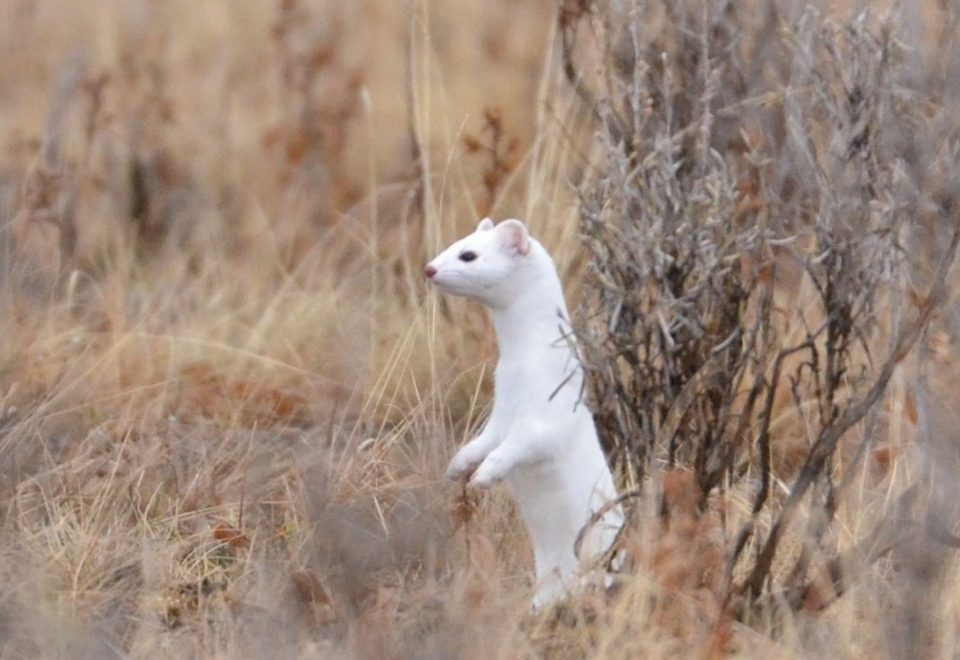
ermine in jackson hole

Where and What are Ermine in Jackson Hole?


Hayden Valley Ermine

While the bigger animals in Grand Teton National Park are much easier to spot, there is an array of little animals in Jackson Hole that are just as unique and interesting to see. One such little animal is the ermine, a Jackson Hole weasel-like animal who like the wolf or the mountain lion, is just as challenging to spot and are just as ferocious to their prey.

Continue reading