Yellowstone National Park has a rare talent for turning an ordinary stretch of road into the scene of a remarkable wildlife encounter. A quiet meadow can reveal a herd of bison, a distant ridge may hold an elk, and a patient look across an open valley can reveal a wolf. That sense of possibility gives every safari its own character. Animals you might see on a Yellowstone safari range from massive mammals to elusive predators and smaller species that deserve a closer look. Learn more about the amazing creatures you may encounter with our extensive checklist below.
#1 American Bison
Few animals represent Yellowstone quite like the American bison. These enormous animals can weigh well over 1,000 pounds, but their calm pace across an open meadow can give them an almost effortless presence. Yellowstone provides a rare chance to see bison across a vast natural landscape.
Large herds can create some of the most memorable scenes of a safari. At other times, a lone bull near the road offers an impressive look at the animal’s heavy shoulders, curved horns, and thick coat. Guests should always admire bison from a safe distance, since their quiet appearance doesn’t mean they’re tame.
#2 Elk
Elk rank among Yellowstone’s most recognizable residents. Their size alone commands attention, and mature bulls add an impressive set of antlers to the scene. Open valleys, grasslands, and areas near forest edges can all provide opportunities for a sighting.
Different seasons add their own character to an elk encounter. During the fall rut, bulls use their famous bugle calls as they compete for access to females. In other parts of the year, guests may see groups graze across meadows or move between forest cover and open terrain.
#3 Grizzly Bears
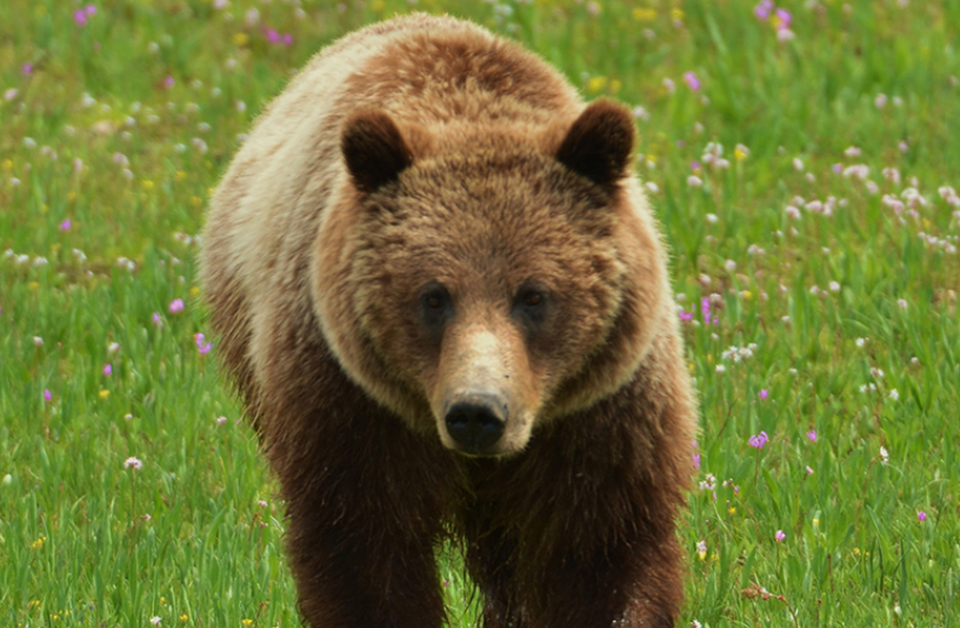
A grizzly bear sighting can become one of the defining moments of a Yellowstone safari. These bears use a broad range of habitats across the park, and their behavior varies with food sources, season, and location. A distant bear across a meadow can hold everyone’s attention for quite some time.
Experienced guides know how to scan promising areas and recognize subtle signs of animal activity. Binoculars and spotting scopes can also provide a much better view without crowding wildlife. That respectful distance gives guests a chance to appreciate a grizzly’s power and place within Yellowstone’s wild landscape.
#4 Black Bears
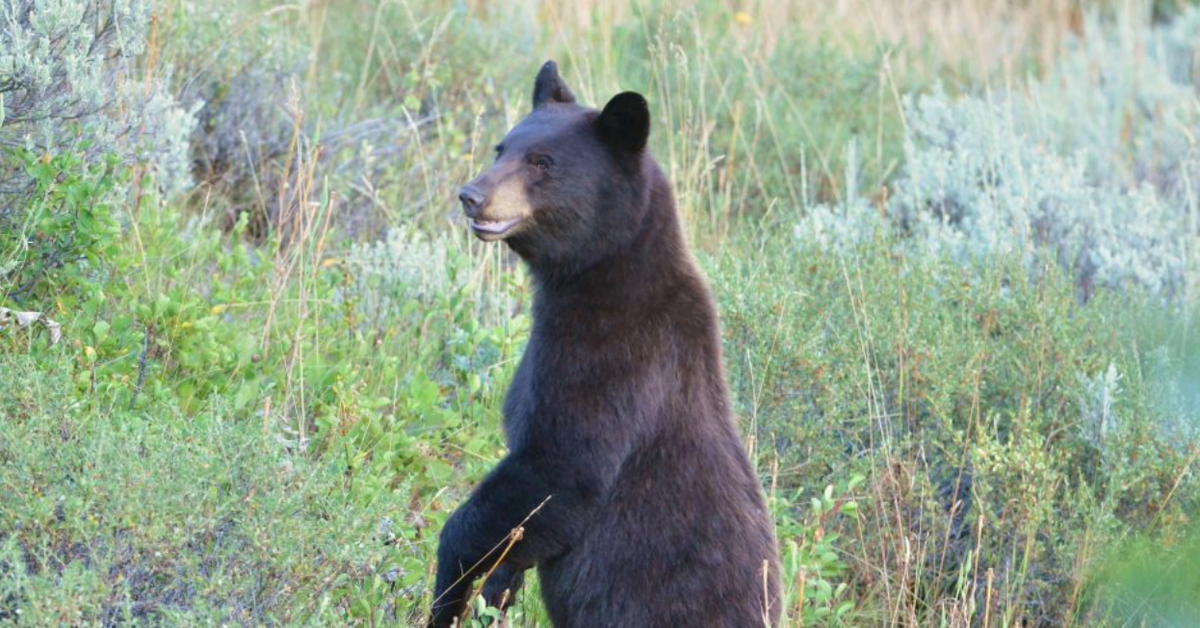
Yellowstone also supports black bears, and their appearance can vary more than their name suggests. Some have black coats, but others can appear brown, cinnamon, or even lighter shades. Body shape, facial profile, ears, and other traits help distinguish them from grizzlies.
Black bears may appear near forested areas, roadsides, or clearings where food sources attract them. A guide can help guests identify the species and explain the behavior they see. That context turns a quick glimpse into a richer wildlife experience.
#5 Gray Wolves
Wolves have become one of Yellowstone’s most famous wildlife attractions. They can cover large distances, so a sighting may require patience, sharp eyes, and knowledge of the terrain. Open valleys can provide broad views across the habitat wolves use.
A spotting scope can reveal details that the naked eye might miss at long distances. Guests may see an individual wolf cross an open area or spot several members of a pack. Each encounter offers a glimpse into the social lives of one of the park’s most fascinating predators.
#6 Moose
Moose have a completely different presence from Yellowstone’s other large hoofed mammals. Their long legs, broad muzzles, and towering bodies create an unmistakable silhouette. Mature bulls become even more striking once their broad antlers reach full size.
Wetlands, willow-rich areas, and forest edges can provide suitable moose habitat. They’re less numerous than some of the park’s other large mammals, so an encounter can feel especially rewarding. A quiet moose among willows can become just as memorable as a more dramatic predator sighting.
#7 Pronghorn
Pronghorn bring speed and grace to Yellowstone’s open country. Their tan-and-white coats blend beautifully with grasslands and sagebrush, but their distinct markings can stand out once guests know where to look. They favor open terrain where their remarkable eyesight works to their advantage.
Their athletic ability adds another layer of interest. Pronghorn rank among the fastest land mammals in North America and can maintain impressive speeds across open ground. Even a calm herd at rest offers a classic view of the American West.
#8 Bighorn Sheep
Bighorn sheep seem perfectly suited to Yellowstone’s rugged terrain. Their sturdy bodies and exceptional balance allow them to travel across steep slopes that would challenge most people. Mature rams have large, curved horns that become more pronounced with age.
Rocky hillsides and mountainous areas offer good habitat for these animals. Since their coats can blend into the surrounding landscape, they aren’t always obvious at first glance. An experienced set of eyes can reveal wildlife that guests might have passed without notice.
#9 Coyotes
Coyotes may not have the same fame as Yellowstone’s wolves, but they’re fascinating animals in their own right. They tend to be smaller and more lightly built than wolves, with narrow faces and pointed ears. Their adaptability allows them to use many habitats across the park.
A coyote might trot across an open meadow, pause near the roadside, or search for prey in grass and snow. Those moments offer a closer look at a highly capable predator. Guides can also help guests tell coyotes and wolves apart when distance makes identification difficult.
#10 Smaller Animals Deserve Attention, Too
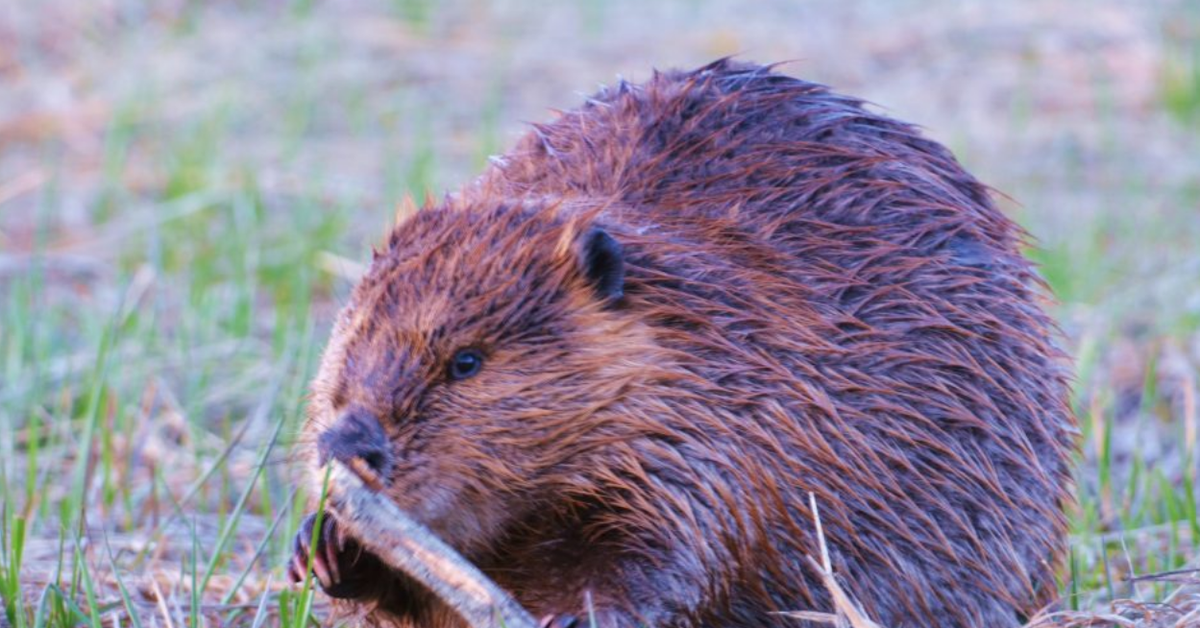
Large mammals naturally draw attention, but Yellowstone’s smaller residents add plenty of personality to a safari. Foxes, marmots, badgers, beavers, river otters, and other species can turn up during a day in the park. Some encounters happen quickly, so alert guests have an advantage.
Birdlife adds even more variety. Bald eagles, trumpeter swans, ravens, hawks, and waterfowl can appear across Yellowstone’s rivers, lakes, forests, and valleys. A safari becomes much richer once the entire landscape starts to feel alive, rather than just the places where large mammals appear.
Every Yellowstone Safari Has Its Own Wildlife Story
No guide can promise a particular animal on a particular day, and that’s part of Yellowstone’s appeal. These animals move through wild habitats according to their own needs and routines. Weather, season, time of day, food sources, and pure chance all shape each trip.
That unpredictability means guests can return to Yellowstone more than once and have a completely different experience each time. One trip might feature bison and elk across broad valleys. Another could bring a distant grizzly, a moose near the willows, or a wolf seen through a spotting scope.
A Yellowstone safari isn’t a checklist where every species appears on command. It’s a chance to explore one of North America’s great wildlife landscapes with someone who understands its animals, habitats, and rhythms. That local expertise can add context to every sighting and reveal details that are easy to miss from the road. The animals you might see on a Yellowstone safari include bison, elk, bears, and many more species. Each one adds another chapter to a day in the park. Contact Bear Witness Safari Company to plan Grand Teton and Yellowstone National Park tours to experience the extraordinary landscapes firsthand.
307-699-8507