Author Archives: Jimmy Blair

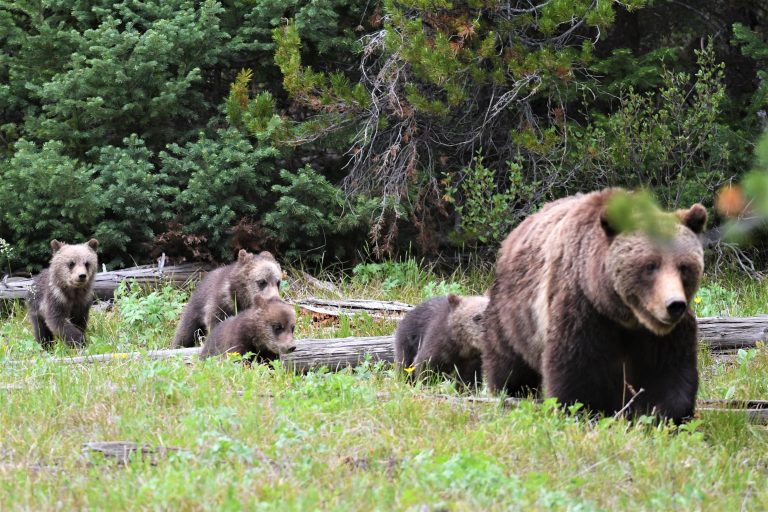
Four small cubs following a large brown bear near a fallen tree outside in the woods during the daytime.

What To Pack for a Jackson Hole Safari Adventure

A safari through Jackson Hole offers an extraordinary opportunity to experience the American West, from the dramatic peaks of the Teton Range to the wildlife that inhabits its valleys. Knowing what to pack for a Jackson Hole safari adventure helps you enjoy every moment without unnecessary distractions. Start planning now so you can discover the extraordinary landscapes of Grand Teton and Yellowstone with an experienced local guide.

Dress in Layers for Jackson Hole’s Changing Weather

Jackson Hole’s mountain climate can surprise even seasoned travelers. A crisp morning might give way to a pleasantly warm afternoon, followed by cooler temperatures as the sun disappears behind the mountains. Your wardrobe should accommodate these changes without taking up excessive space.

Start with a comfortable base layer made from moisture-resistant fabric or lightweight wool. Add a fleece jacket or warm sweater for extra insulation, particularly during early departures. A wind-resistant outer jacket provides another level of protection against sudden gusts and cooler mountain air.

For summer excursions, lightweight shirts and breathable pants offer comfort throughout the day. Spring and fall visitors should bring heavier layers, since temperatures can fluctuate dramatically. Even July mornings can feel surprisingly chilly before the sun reaches the valley floor.

Choose Comfortable Footwear for Your Safari

Although guided wildlife safaris involve considerable time aboard a vehicle, comfortable footwear deserves a place on your packing list. You’ll appreciate supportive shoes during scenic stops, short walks, and opportunities to admire the landscape outside the vehicle. A dependable pair also allows you to move confidently across gravel paths and uneven terrain.

Sturdy walking shoes or lightweight hiking boots with reliable traction work well for most excursions. Select footwear you’ve already worn rather than brand-new boots that might cause discomfort. During colder months, insulated boots with slip-resistant soles and warm socks provide greater protection against snow and chilly conditions.

Bring Binoculars for Incredible Wildlife Views

Few experiences compare to the excitement of spotting a moose near a willow-lined stream or watching bison cross an open meadow. Binoculars allow you to appreciate these encounters from a respectful distance without disturbing the animals. They’re particularly useful across the vast valleys and open landscapes of Grand Teton and Yellowstone.

A compact pair with 8x or 10x magnification offers a practical balance between portability and visibility. Look for a comfortable grip and clear optics, particularly if you expect to spend considerable time observing wildlife. You could notice an elk’s antlers against the forest or an eagle perched high above the valley, details that add another dimension to your safari experience.
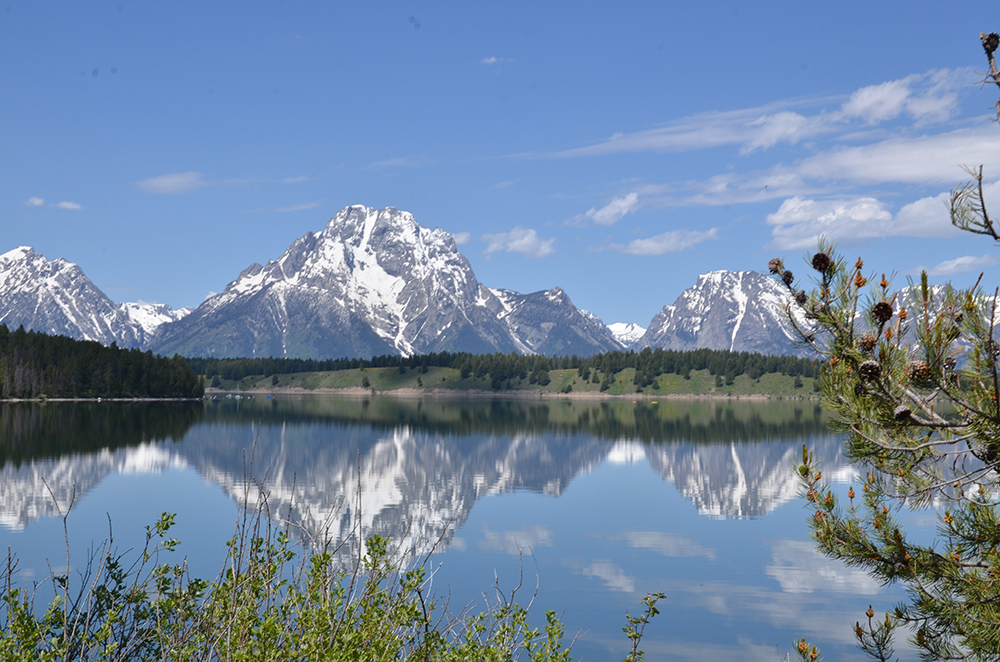
A massive snow-capped mountain range reflected in the shimmering waters of a large lake during the daytime.

Pack a Camera to Capture Memorable Moments

Jackson Hole provides exceptional photographic opportunities, from golden sunlight across the Tetons to unexpected wildlife encounters. A camera lets you preserve these moments and share your experiences long after your vacation ends. Even a casual photographer can return home with remarkable images of Wyoming’s natural beauty.

A smartphone can capture beautiful landscapes, although a dedicated camera with a telephoto lens provides greater flexibility for distant wildlife. Consider a zoom lens that allows you to photograph animals without approaching them. Bring spare batteries, memory cards, and a protective camera bag to keep your equipment ready.

Cold temperatures can reduce battery performance, so store extras in a warm, accessible pocket during winter excursions. For photographers with larger equipment, a lightweight monopod or suitable support can help stabilize longer lenses. Keep your setup manageable, since memorable wildlife encounters can unfold with little notice.

Protect Yourself From the Mountain Sun

At Jackson Hole’s elevation, the sun can feel surprisingly intense, even on cool days. Sun protection deserves attention throughout the year, particularly during extended outdoor stops. The combination of altitude, dry air, and reflective snow can leave unprepared visitors uncomfortable.

Pack broad-spectrum sunscreen with SPF 30 or higher and apply it before your excursion. A wide-brimmed hat provides additional protection for your face and neck, and polarized sunglasses can reduce glare from water, snow, and bright landscapes. Lip balm with SPF is another worthwhile addition, especially during the region’s colder, drier months.

Carry Water and a Few Personal Snacks

Adequate hydration helps you remain comfortable throughout your adventure. Jackson Hole’s relatively dry climate can increase fluid loss, even when temperatures feel mild. A reusable water bottle offers a convenient way to keep water nearby throughout the excursion. For longer tours, consider an insulated bottle that maintains your preferred beverage temperature. A few compact snacks, such as granola bars, nuts, or dried fruit, can also be useful between scheduled meals.

Prepare for Rain, Wind, and Unexpected Conditions

Mountain weather has a personality of its own. Clear skies can change quickly, and brief afternoon storms are possible during warmer months. A lightweight waterproof jacket fits easily into a daypack and offers protection against unexpected showers.

Choose a jacket with a hood and enough room to accommodate your other layers. During spring or fall, pack lightweight gloves and a warm hat for early departures. Winter safaris require additional insulation, including thermal clothing, heavier gloves, and weather-resistant outerwear.

A compact daypack keeps these items organized and accessible throughout your adventure. Select a modest size that fits comfortably in the tour vehicle without occupying excessive space. You’ll appreciate having your belongings close whenever the weather shifts or a scenic stop presents an opportunity to step outside.
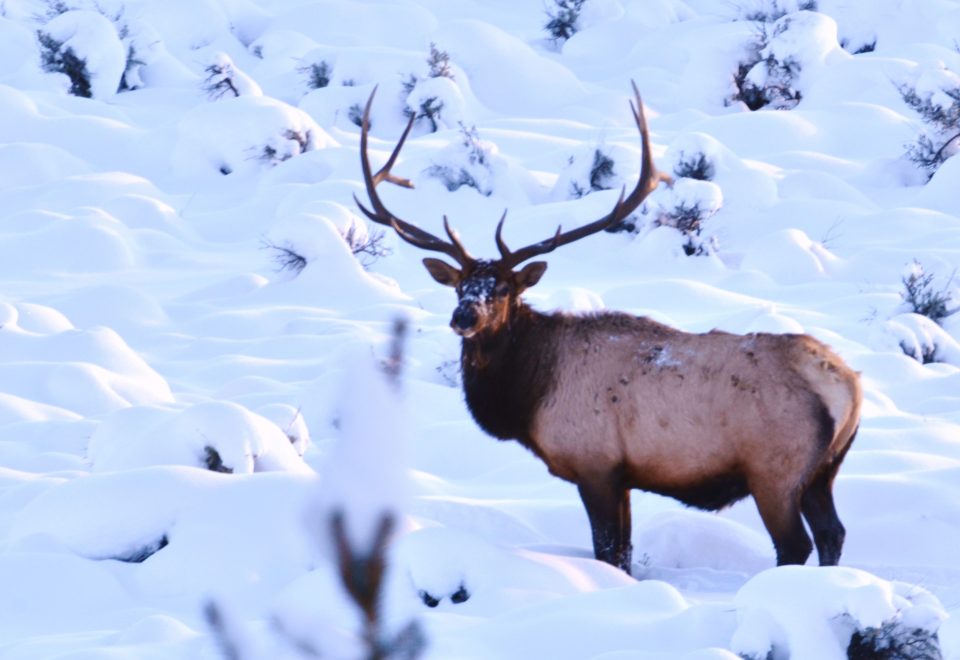
A large bull elk standing outside during the daytime. A thick blanket of white snow surrounds the elk.

Keep Personal Necessities Close at Hand

Small personal items can have a surprisingly large influence on your comfort. Rather than bury them inside your luggage, organize them in a compact pouch or accessible pocket. A little organization prevents unnecessary interruptions during wildlife encounters and scenic stops.

Consider these practical additions to your safari packing list:

  • Prescription medications and personal health necessities
  • Tissues and hand sanitizer
  • A portable phone charger
  • Identification and emergency contact information
  • Moisturizer for dry mountain air
  • A small notebook for wildlife observations
  • Motion sickness remedies, if needed

Avoid overpacking unnecessary accessories that add weight or clutter to your bag. A modest collection of personal necessities should accommodate your needs without becoming cumbersome. With everything organized, you can devote more attention to the scenery and wildlife around you.

Plan Your Jackson Hole Safari Adventure With Confidence

Understanding what to pack for a Jackson Hole safari adventure allows you to approach your trip with greater confidence and excitement. Comfortable layers, dependable footwear, wildlife observation equipment, and a few personal necessities provide a strong foundation for an enjoyable experience. Beyond your packing list, the company you choose can shape your entire adventure. Bear Witness Safari Company combines extensive regional expertise with personalized guided tours through Grand Teton and Yellowstone National Parks. Contact Bear Witness Safari Company today to plan Jackson Hole safaris and discover the extraordinary local wildlife.
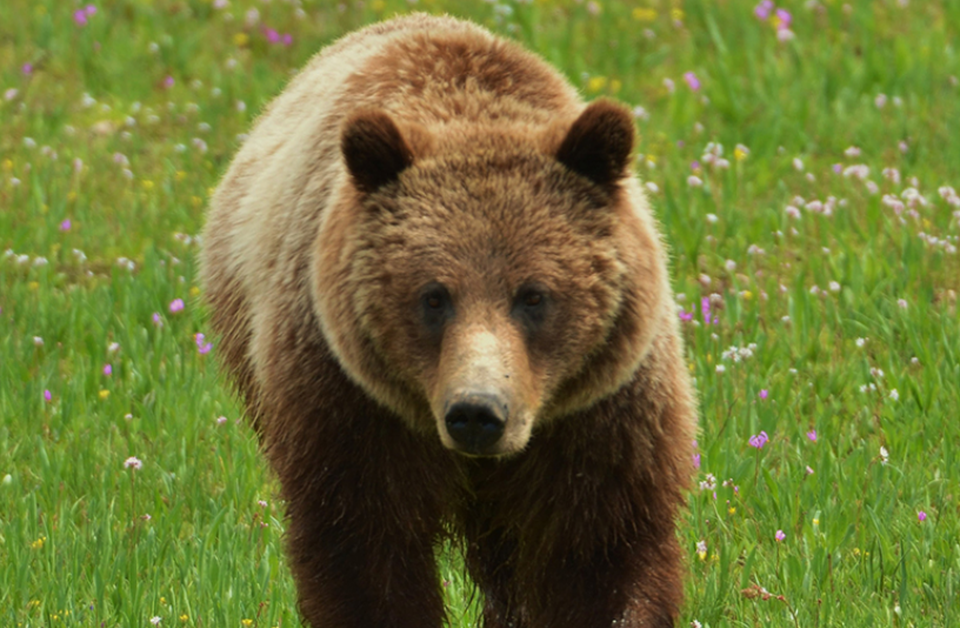
A massive grizzly bear running through a large patch of bright green grass and colorful flowers during the daytime.

10 Animals You Might See on a Yellowstone Safari

Yellowstone National Park has a rare talent for turning an ordinary stretch of road into the scene of a remarkable wildlife encounter. A quiet meadow can reveal a herd of bison, a distant ridge may hold an elk, and a patient look across an open valley can reveal a wolf. That sense of possibility gives every safari its own character. Animals you might see on a Yellowstone safari range from massive mammals to elusive predators and smaller species that deserve a closer look. Learn more about the amazing creatures you may encounter with our extensive checklist below. Continue reading →

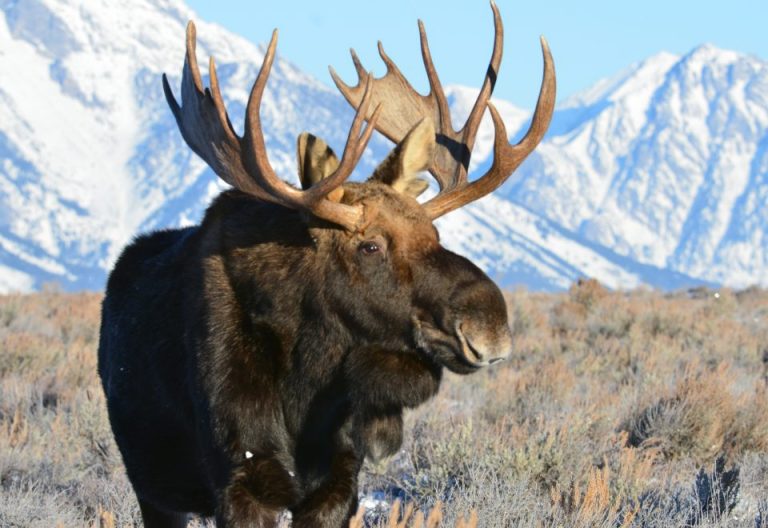
A bull moose with large antlers stands in an open field during the daytime. Snowy mountains are behind the moose.

Why Private Wildlife Tours Offer Better Experiences

A wildlife tour can turn a beautiful vacation into a day that stays vivid long after the trip ends. The format of the tour has a major effect on how personal that day feels. A private tour gives guests more freedom, direct access to an expert guide, and an itinerary shaped around their interests. Plan your next adventure after diving into our guide on why private wildlife tours offer better experiences.

Continue reading →

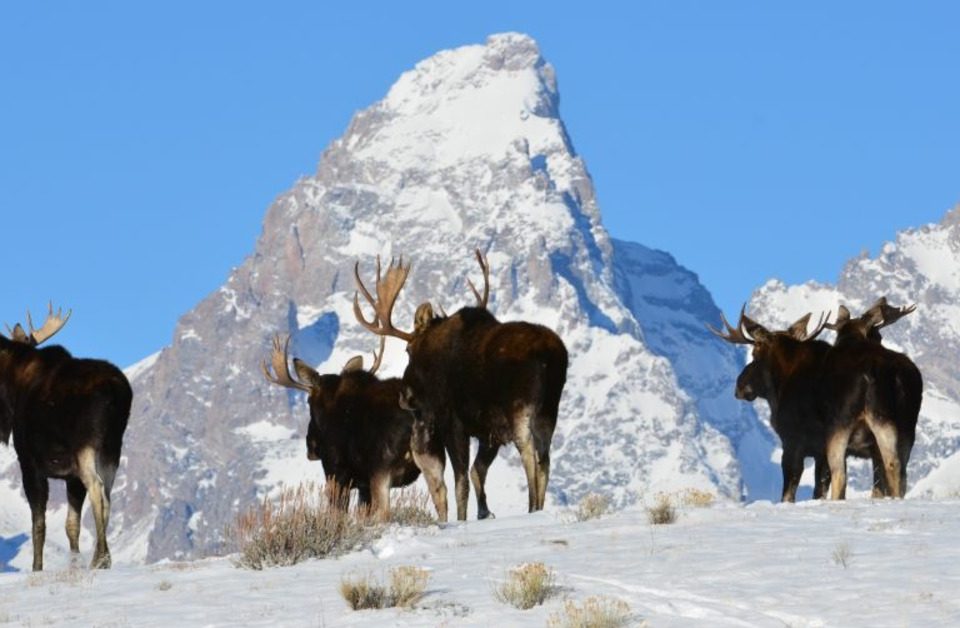
Five moose standing outside in the snow during the daytime. A mountaintop is visible in the distance.

10 Tips for Photographing Wildlife in Grand Teton

Nothing compares to the thrill of spotting a bull moose beside a quiet river or a bald eagle perched high above you. Grand Teton National Park gives photographers endless opportunities to come home with memorable wildlife images, no matter their experience level. Use our list of tips for photographing wildlife in Grand Teton to turn a good vacation into an unforgettable outdoor adventure.

#1 Start Your Day Before Sunrise

Wildlife follows its own schedule, and dawn brings plenty of activity across Grand Teton. Elk leave open meadows, moose browse near ponds, and foxes travel through quiet valleys before visitor traffic picks up. Soft morning light also adds warm color without harsh shadows across an animal’s face or coat. A calm start to the day gives every photograph a richer, more polished look.

Early departures bring another reward beyond better light. Roads stay quieter, parking areas remain less crowded, and wildlife tends to stay relaxed. That peaceful atmosphere creates a far better experience for both photographers and the animals that call the park home.

#2 Learn Animal Habits Before Your Trip

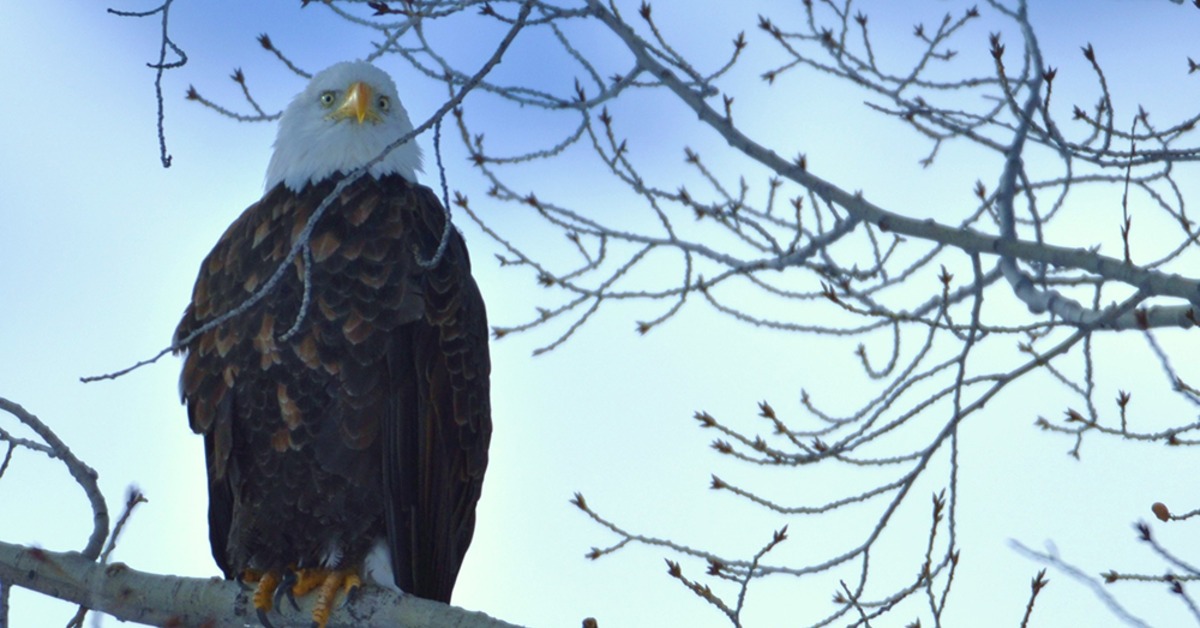
Great wildlife images rarely depend on luck alone. A little preparation gives every photographer a stronger chance at success. Moose spend time near ponds and willow flats, bison gather across broad grasslands, and pronghorn favor open country with wide views. Bald eagles and ospreys stay close to rivers and lakes where fish provide easy meals.

Local guides spend years learning these patterns through every season. That experience helps visitors reach productive locations instead of relying on random stops along busy roads. Time behind the camera becomes far more rewarding with local insight.

#3 Bring the Right Lens

Wild animals deserve plenty of space. A telephoto lens lets photographers fill the frame without stepping too close. Lenses within the 300mm to 600mm range work very well for large mammals and birds across Grand Teton.

A second lens also earns a place in the camera bag. Wide-angle glass captures dramatic landscapes that place wildlife within the park’s famous scenery. A bison beneath the Teton Range tells a richer story than a tight portrait alone.

#4 Stay Patient

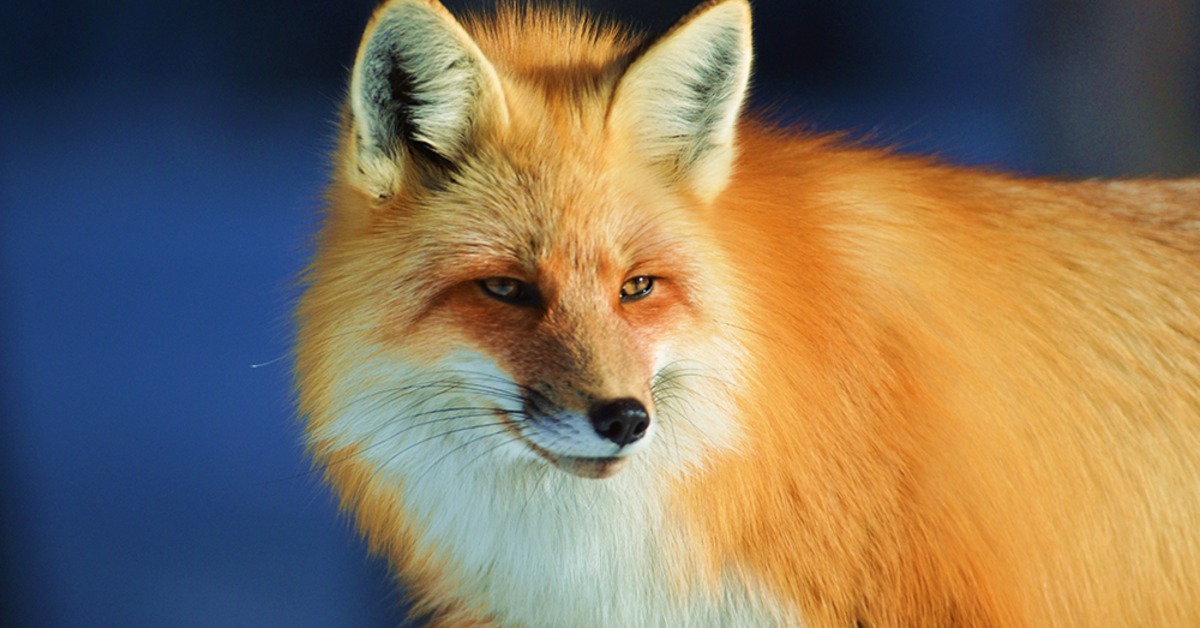
Wildlife photography rewards calm observation. Animals move at their own pace, and memorable moments arrive without warning. A grazing moose may lift its head toward the mountains, or a fox may pause for only a few seconds before disappearing into tall grass.

Patience also leads to more natural behavior. Quiet observation allows animals to settle into their surroundings instead of reacting to human activity. Those relaxed moments create photographs full of character and authenticity.

A bald eagle perched on a thin tree branch outside during the daytime. Dark clouds swirl in the skies above.

#5 Respect Every Animal’s Space

One of the most important tips for photographing wildlife in Grand Teton is to mind the animals and their space. Every visit to Grand Teton should place wildlife first. Respectful behavior protects visitors and helps animals continue their daily routines without unnecessary stress.

Long lenses remove any need to approach wildlife. If an animal changes direction, watches people closely, or shows signs of agitation, it has already noticed nearby activity. A few extra steps backward create a better outcome for everyone involved.

#6 Use Natural Light Whenever Possible

Grand Teton delivers beautiful light throughout much of the day, especially near sunrise and late afternoon. Soft light brings out rich detail in fur, feathers, and antlers without harsh contrast. Bright midday sun can create blown highlights along light-colored coats and deep shadows around eyes.

Cloud cover also works in a photographer’s favor. Thin clouds spread light evenly across the landscape and produce balanced exposure. Many outstanding wildlife photographs come from quiet, overcast mornings rather than brilliant blue skies.

#7 Watch the Background

A beautiful subject deserves an equally attractive backdrop. Grand Teton gives photographers dramatic mountain peaks, winding rivers, colorful wildflowers, and golden sagebrush. A small step to one side can remove distracting branches, vehicles, or crowds from the frame. Clean backgrounds allow the animal to stand out without visual clutter.

Pay attention to the direction of the light as well. Warm sunlight across the Tetons creates depth and texture that add another layer of interest. Every photograph feels more complete when the landscape plays a supporting role instead of competing for attention.

#8 Adjust Camera Settings Before the Action Starts

Wildlife rarely waits for camera adjustments. A camera set in advance gives photographers a better chance to catch a bald eagle in flight or a coyote that appears for only a few moments. Continuous autofocus helps track movement, and burst mode records several frames in rapid succession.

A fast shutter speed also helps freeze motion. That approach works well for animals that travel across open fields or birds that launch into the air without warning. A quick glance at camera settings before each stop can save a missed opportunity.

#9 Prepare for Changing Mountain Weather

Grand Teton weather has a habit of changing without much notice. Bright sunshine can give way to clouds, light rain, or even snow during cooler months. A light jacket, waterproof bag, and lens cloth belong in every photographer’s pack.

Those changing conditions also create dramatic images. Fresh snow on the peaks, low clouds above the valleys, or light rain across a meadow can produce photographs with a unique atmosphere. Flexibility pays off, and every shift in the weather opens fresh creative possibilities.

Sunlight shining on a small red fox with pristine fur as they turn to the left on a nice, sunny day.

#10 Join a Guided Wildlife Safari

Local knowledge adds tremendous value to any photography trip. Experienced guides know animal habits, seasonal patterns, and productive locations across Grand Teton. Instead of spending valuable vacation time searching on your own, you can focus on your camera and enjoy every wildlife encounter.

Bear Witness Safari Company combines decades of local experience with comfortable transportation and catered meals, creating relaxed Grand Teton wildlife tours from start to finish. Guests gain more than transportation through the park—they receive insight into animal behavior, local history, and the landscapes that define this remarkable destination.

A successful wildlife photograph comes from patience, preparation, and respect for the animals that live in Grand Teton National Park. Every outing offers fresh opportunities, from a quiet moose beside a beaver pond to a herd of bison beneath snow-capped peaks. Thoughtful planning allows every stop to become part of a memorable outdoor experience.

If Grand Teton sits on your travel list, let Bear Witness Safari Company help you enjoy the park through the eyes of a local expert. A guided safari gives you more opportunities to find remarkable wildlife, enjoy outstanding scenery, and return home with photographs that tell the story of an unforgettable adventure.

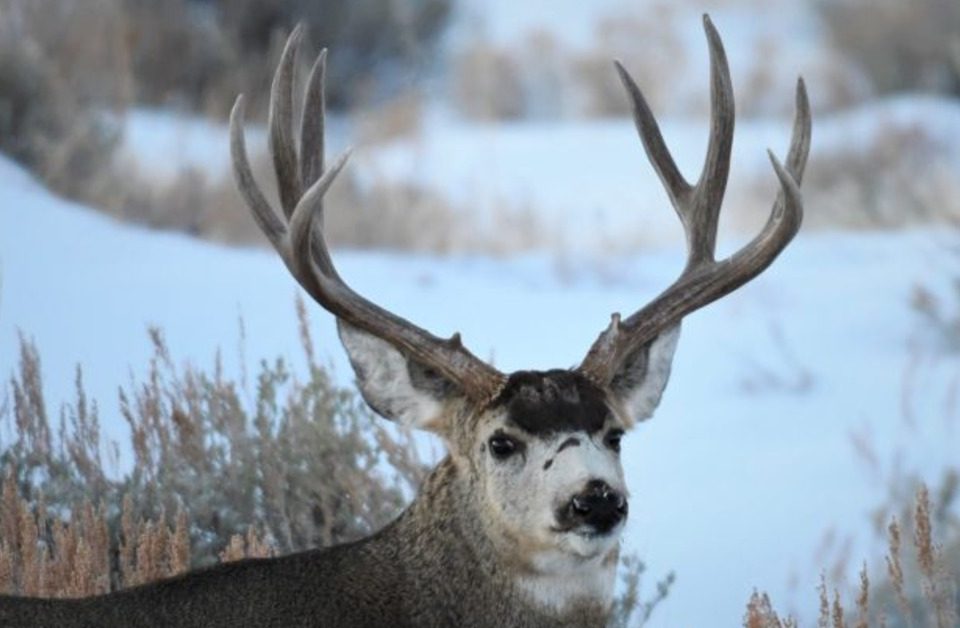
A buck with large antlers standing outside during the daytime. Snow covers the ground around the buck.

Best Times To See Wildlife in Yellowstone Park

A trip to Yellowstone offers far more than famous geysers and dramatic landscapes. The park is home to an incredible variety of animals, from massive bison to elusive wolves and grizzly bears. Timing plays a huge role in what you may encounter during your visit. If wildlife viewing sits high on your vacation wish list, a guided safari can help you get the most from your time in the park. Travelers who want expert insight and memorable wildlife encounters can use this guide to explore the best times to see wildlife in Yellowstone Park.

Wildlife Activity Follows Nature’s Schedule

Animals in Yellowstone don’t follow a calendar, but they do follow seasonal patterns. Food sources, weather conditions, migration habits, and breeding seasons all influence where wildlife spends its time throughout the year.

Many visitors arrive during the summer months because roads and attractions remain fully accessible. Wildlife can still be found during this season, but animals tend to spread across larger areas as food becomes plentiful. During other times of the year, wildlife may gather in more concentrated locations, creating excellent viewing opportunities.

Time of day also matters. Early morning and late evening usually bring greater animal activity. Cooler temperatures encourage movement, and fewer crowds create a quieter environment.

Spring Brings New Life Across Yellowstone

Spring ranks among the most rewarding seasons for wildlife enthusiasts. As snow begins to retreat, animals emerge from a long winter and become much more visible. Bison calves appear throughout the park during April and May. Visitors frequently spot large herds grazing in open valleys, creating excellent photo opportunities. Bear activity increases as grizzlies and black bears leave their dens in search of food.

Rangers and guides regularly monitor bear sightings, allowing visitors a better chance to observe these impressive animals from a safe distance. Elk calves, moose, and numerous bird species also become more active during spring. Rivers and wetlands attract waterfowl, adding even more diversity to the viewing experience.

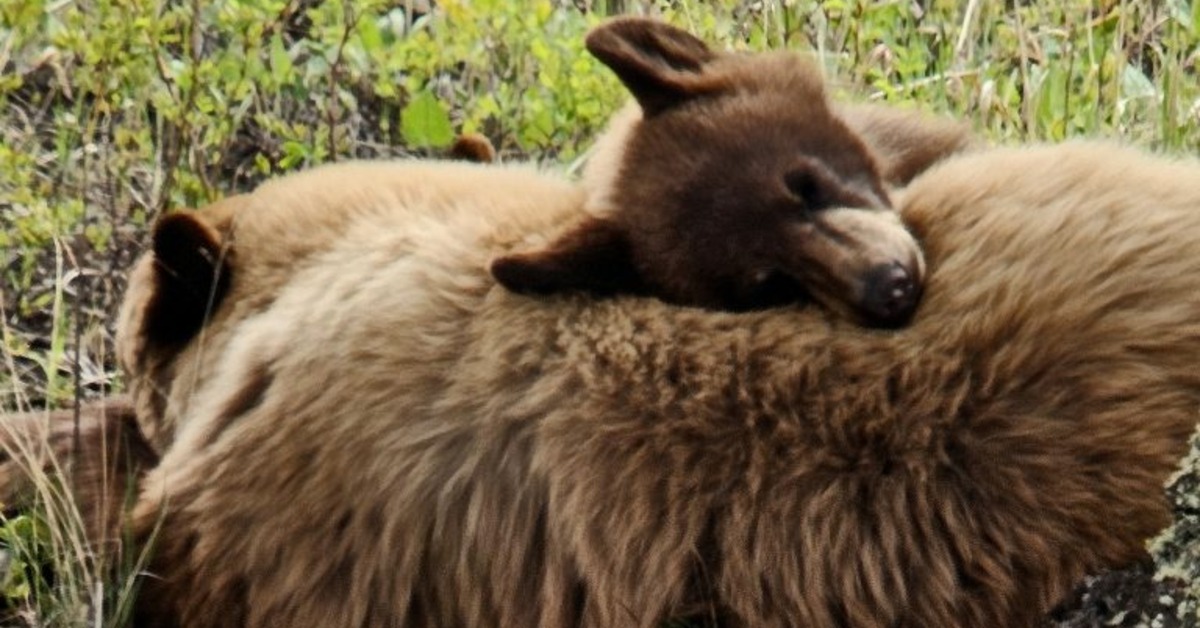
A large bear lying on the ground and surrounded by green plants. A small bear cub cuddles against their parent.

Summer Offers Variety and Accessibility

Summer attracts the largest number of visitors to Yellowstone. Warm weather, open roads, and longer daylight hours make exploration easy and enjoyable. Wildlife remains abundant throughout the park. Bison, elk, pronghorn, and various bird species can be found in many locations. Families traveling with children will appreciate the comfortable conditions and predictable access to major attractions.

Animals tend to move toward higher elevations as temperatures rise. This can require a bit more patience compared to spring. Experienced guides know where animals frequently spend time during the warmer months and can help visitors locate them more efficiently. Summer also provides excellent opportunities to combine wildlife viewing with scenic sightseeing. Guests can enjoy famous landmarks alongside memorable animal encounters throughout the day.

Fall Creates Outstanding Wildlife Viewing

Fall is undoubtedly one of the best times to see wildlife in Yellowstone Park. Cooler temperatures encourage greater animal activity, and visitor numbers begin to decline after summer. September and October bring the elk rut, one of the park’s most fascinating natural events.

Bull elk gather harems and compete for mates through dramatic displays and powerful bugling calls that echo across the valleys. Bison become increasingly active as their breeding season continues into early fall. Large bulls frequently interact with herds, creating exciting viewing opportunities from designated safe distances.

Bears spend much of the season searching for food before winter arrives. This increased activity can lead to more sightings in areas where natural food sources remain abundant. The combination of colorful autumn landscapes and active wildlife creates a particularly memorable Yellowstone experience.

Winter Reveals a Unique Look at Yellowstone

Winter transforms Yellowstone into a peaceful and dramatic wilderness. Snow blankets the landscape, and visitor numbers drop dramatically. Wildlife becomes easier to spot in some areas due to the stark contrast between animals and snowy terrain. Bison frequently travel through snow-covered valleys, creating iconic Yellowstone scenes.

Wolves gain considerable attention during winter. Packs may be visible from greater distances as they move across open terrain in search of prey. Lamar Valley becomes a popular destination for wildlife observers during this season.

Coyotes, foxes, elk, and bald eagles also remain active throughout the colder months. The quieter environment allows visitors to appreciate Yellowstone’s wild character in a unique way. Winter conditions require additional planning, but the rewards can be extraordinary for those willing to embrace the season.

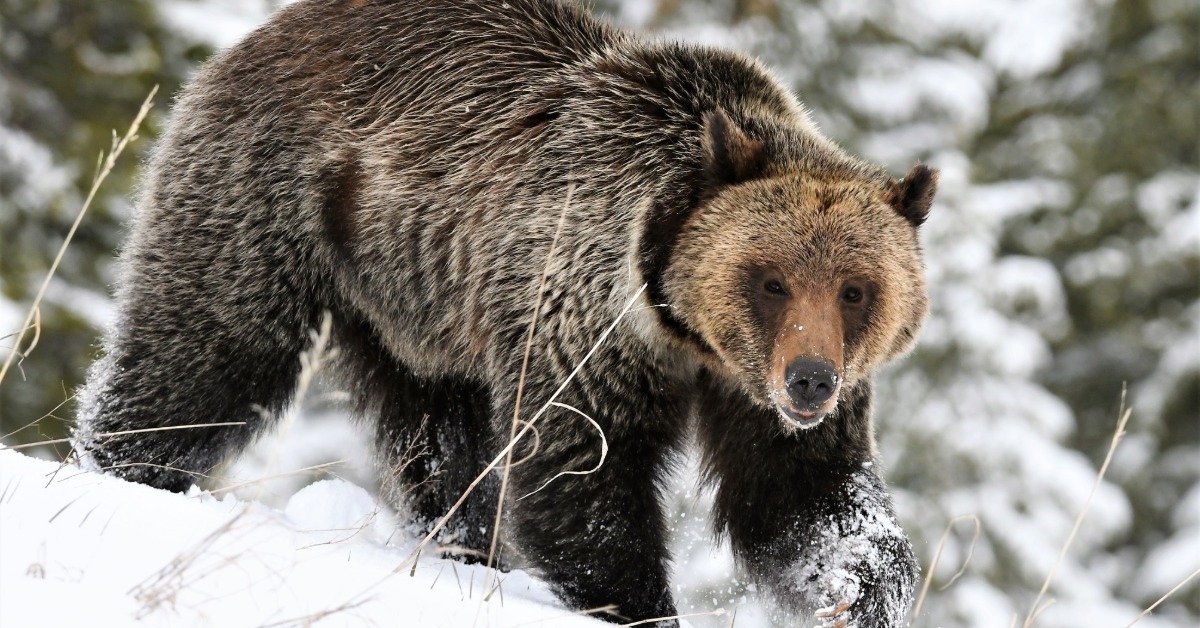
A large bear walking across the snow-covered ground outside. Large green trees grow in the snow behind the bear.

The Best Time of Day for Wildlife Encounters

No matter the season, early morning tends to produce excellent wildlife sightings. Many animals become active shortly after sunrise as temperatures remain cool and crowds stay light. Late afternoon and early evening also provide productive viewing opportunities. Wildlife frequently emerges into open areas before nightfall.

Midday can still produce sightings, especially near rivers, meadows, and known wildlife corridors. Even so, many seasoned guides focus their efforts during the first and last hours of daylight. A sunrise safari offers visitors a chance to witness Yellowstone as the park awakens. The soft morning light also creates beautiful conditions for photography.

Popular Wildlife Viewing Areas

Certain locations consistently attract wildlife throughout the year. Lamar Valley stands among the most famous wildlife destinations in Yellowstone. Visitors regularly encounter bison, wolves, pronghorn, and bears throughout this region.

Hayden Valley offers another excellent option. Large herds of bison, elk, and numerous bird species frequent the area. Open landscapes provide broad visibility for wildlife observation.

The Northern Range supports year-round wildlife activity for guests to observe. Many guided tours include stops in this region because of its strong wildlife potential. Each area offers unique opportunities depending on the season and current animal movements.

Why a Guided Safari Improves Wildlife Viewing

Wildlife can be unpredictable, even in a park as rich as Yellowstone. Professional guides spend countless hours tracking seasonal movements and understanding animal behavior. A knowledgeable guide can identify distant animals, explain behaviors, and position guests for optimal viewing opportunities. This expertise adds depth to every sighting.

Bear Witness Safari Company brings decades of experience to Yellowstone and Grand Teton adventures. Guests enjoy expert guidance and catered meals that elevate the overall experience. That combination creates a relaxed and enjoyable day in the field. Schedule a Grand Teton half-day tour today to see the stunning wildlife and landscapes up-close.

Every season offers something unique in Yellowstone. The best choice depends on the type of encounter you hope to enjoy. No matter when you visit, early mornings and experienced guides can dramatically improve your chances of memorable sightings.