
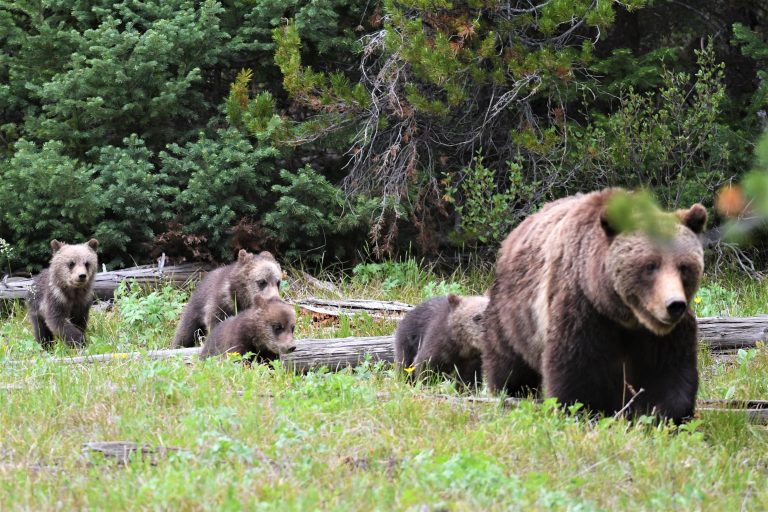
A safari through Jackson Hole offers an extraordinary opportunity to experience the American West, from the dramatic peaks of the Teton Range to the wildlife that inhabits its valleys. Knowing what to pack for a Jackson Hole safari adventure helps you enjoy every moment without unnecessary distractions. Start planning now so you can discover the extraordinary landscapes of Grand Teton and Yellowstone with an experienced local guide.
Dress in Layers for Jackson Hole’s Changing Weather
Jackson Hole’s mountain climate can surprise even seasoned travelers. A crisp morning might give way to a pleasantly warm afternoon, followed by cooler temperatures as the sun disappears behind the mountains. Your wardrobe should accommodate these changes without taking up excessive space.
Start with a comfortable base layer made from moisture-resistant fabric or lightweight wool. Add a fleece jacket or warm sweater for extra insulation, particularly during early departures. A wind-resistant outer jacket provides another level of protection against sudden gusts and cooler mountain air.
For summer excursions, lightweight shirts and breathable pants offer comfort throughout the day. Spring and fall visitors should bring heavier layers, since temperatures can fluctuate dramatically. Even July mornings can feel surprisingly chilly before the sun reaches the valley floor.
Choose Comfortable Footwear for Your Safari
Although guided wildlife safaris involve considerable time aboard a vehicle, comfortable footwear deserves a place on your packing list. You’ll appreciate supportive shoes during scenic stops, short walks, and opportunities to admire the landscape outside the vehicle. A dependable pair also allows you to move confidently across gravel paths and uneven terrain.
Sturdy walking shoes or lightweight hiking boots with reliable traction work well for most excursions. Select footwear you’ve already worn rather than brand-new boots that might cause discomfort. During colder months, insulated boots with slip-resistant soles and warm socks provide greater protection against snow and chilly conditions.
Bring Binoculars for Incredible Wildlife Views
Few experiences compare to the excitement of spotting a moose near a willow-lined stream or watching bison cross an open meadow. Binoculars allow you to appreciate these encounters from a respectful distance without disturbing the animals. They’re particularly useful across the vast valleys and open landscapes of Grand Teton and Yellowstone.
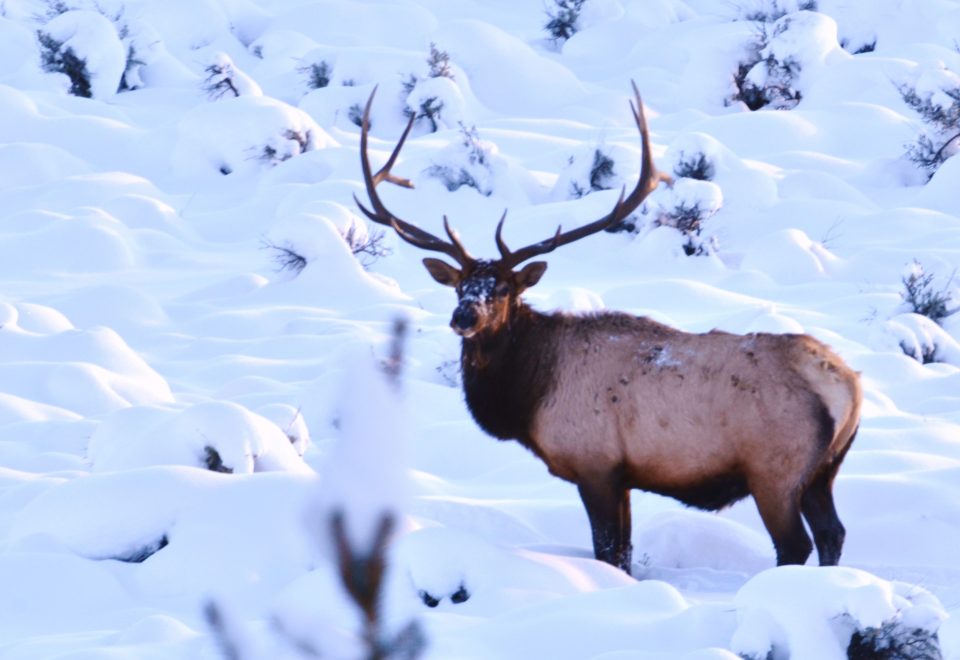
A compact pair with 8x or 10x magnification offers a practical balance between portability and visibility. Look for a comfortable grip and clear optics, particularly if you expect to spend considerable time observing wildlife. You could notice an elk’s antlers against the forest or an eagle perched high above the valley, details that add another dimension to your safari experience.
Pack a Camera to Capture Memorable Moments
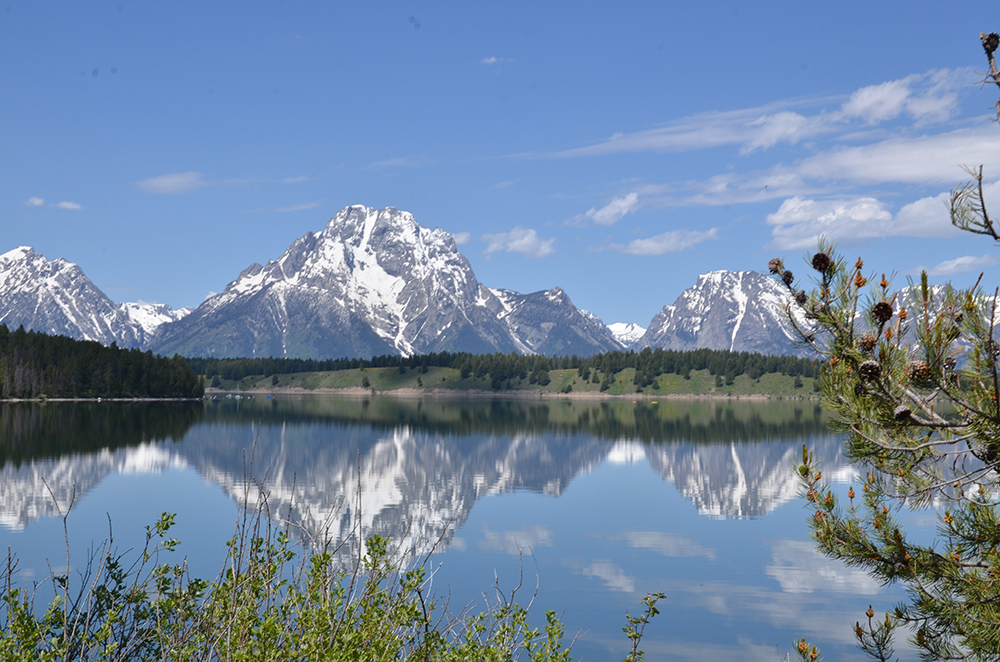
Jackson Hole provides exceptional photographic opportunities, from golden sunlight across the Tetons to unexpected wildlife encounters. A camera lets you preserve these moments and share your experiences long after your vacation ends. Even a casual photographer can return home with remarkable images of Wyoming’s natural beauty.
A smartphone can capture beautiful landscapes, although a dedicated camera with a telephoto lens provides greater flexibility for distant wildlife. Consider a zoom lens that allows you to photograph animals without approaching them. Bring spare batteries, memory cards, and a protective camera bag to keep your equipment ready.
Cold temperatures can reduce battery performance, so store extras in a warm, accessible pocket during winter excursions. For photographers with larger equipment, a lightweight monopod or suitable support can help stabilize longer lenses. Keep your setup manageable, since memorable wildlife encounters can unfold with little notice.
Protect Yourself From the Mountain Sun
At Jackson Hole’s elevation, the sun can feel surprisingly intense, even on cool days. Sun protection deserves attention throughout the year, particularly during extended outdoor stops. The combination of altitude, dry air, and reflective snow can leave unprepared visitors uncomfortable.
Pack broad-spectrum sunscreen with SPF 30 or higher and apply it before your excursion. A wide-brimmed hat provides additional protection for your face and neck, and polarized sunglasses can reduce glare from water, snow, and bright landscapes. Lip balm with SPF is another worthwhile addition, especially during the region’s colder, drier months.
Carry Water and a Few Personal Snacks
Adequate hydration helps you remain comfortable throughout your adventure. Jackson Hole’s relatively dry climate can increase fluid loss, even when temperatures feel mild. A reusable water bottle offers a convenient way to keep water nearby throughout the excursion. For longer tours, consider an insulated bottle that maintains your preferred beverage temperature. A few compact snacks, such as granola bars, nuts, or dried fruit, can also be useful between scheduled meals.
Prepare for Rain, Wind, and Unexpected Conditions
Mountain weather has a personality of its own. Clear skies can change quickly, and brief afternoon storms are possible during warmer months. A lightweight waterproof jacket fits easily into a daypack and offers protection against unexpected showers.
Choose a jacket with a hood and enough room to accommodate your other layers. During spring or fall, pack lightweight gloves and a warm hat for early departures. Winter safaris require additional insulation, including thermal clothing, heavier gloves, and weather-resistant outerwear.
A compact daypack keeps these items organized and accessible throughout your adventure. Select a modest size that fits comfortably in the tour vehicle without occupying excessive space. You’ll appreciate having your belongings close whenever the weather shifts or a scenic stop presents an opportunity to step outside.
Keep Personal Necessities Close at Hand
Small personal items can have a surprisingly large influence on your comfort. Rather than bury them inside your luggage, organize them in a compact pouch or accessible pocket. A little organization prevents unnecessary interruptions during wildlife encounters and scenic stops.
Consider these practical additions to your safari packing list:
- Prescription medications and personal health necessities
- Tissues and hand sanitizer
- A portable phone charger
- Identification and emergency contact information
- Moisturizer for dry mountain air
- A small notebook for wildlife observations
- Motion sickness remedies, if needed
Avoid overpacking unnecessary accessories that add weight or clutter to your bag. A modest collection of personal necessities should accommodate your needs without becoming cumbersome. With everything organized, you can devote more attention to the scenery and wildlife around you.
Plan Your Jackson Hole Safari Adventure With Confidence
Understanding what to pack for a Jackson Hole safari adventure allows you to approach your trip with greater confidence and excitement. Comfortable layers, dependable footwear, wildlife observation equipment, and a few personal necessities provide a strong foundation for an enjoyable experience. Beyond your packing list, the company you choose can shape your entire adventure. Bear Witness Safari Company combines extensive regional expertise with personalized guided tours through Grand Teton and Yellowstone National Parks. Contact Bear Witness Safari Company today to plan Jackson Hole safaris and discover the extraordinary local wildlife.
307-699-8507